
Every Pool Begins With a Custom Plan
Design Approval and Permit Preparation
After the initial consultation, the builder develops the final design. You’ll review the pool dimensions, depth, location, materials, equipment, and surrounding features. This stage provides the best opportunity to request changes. Moving a bench or adjusting the shape remains easier before permits and materials are prepared. Next, the builder creates the information required for permitting. Local rules may cover property setbacks, electrical systems, barriers, drainage, and equipment placement. Some projects may also require engineering documentation. Utility placement must be confirmed before excavation. Additionally, septic systems, wells, easements, or homeowners’ association requirements may affect the design. Local authorities may inspect several phases of construction. Therefore, the team must plan for inspections before covering plumbing, electrical work, or structural components. Complete design approval prevents confusion during construction. It also helps the builder order the correct materials and organize subcontractors.
Excavation and Ground Preparation
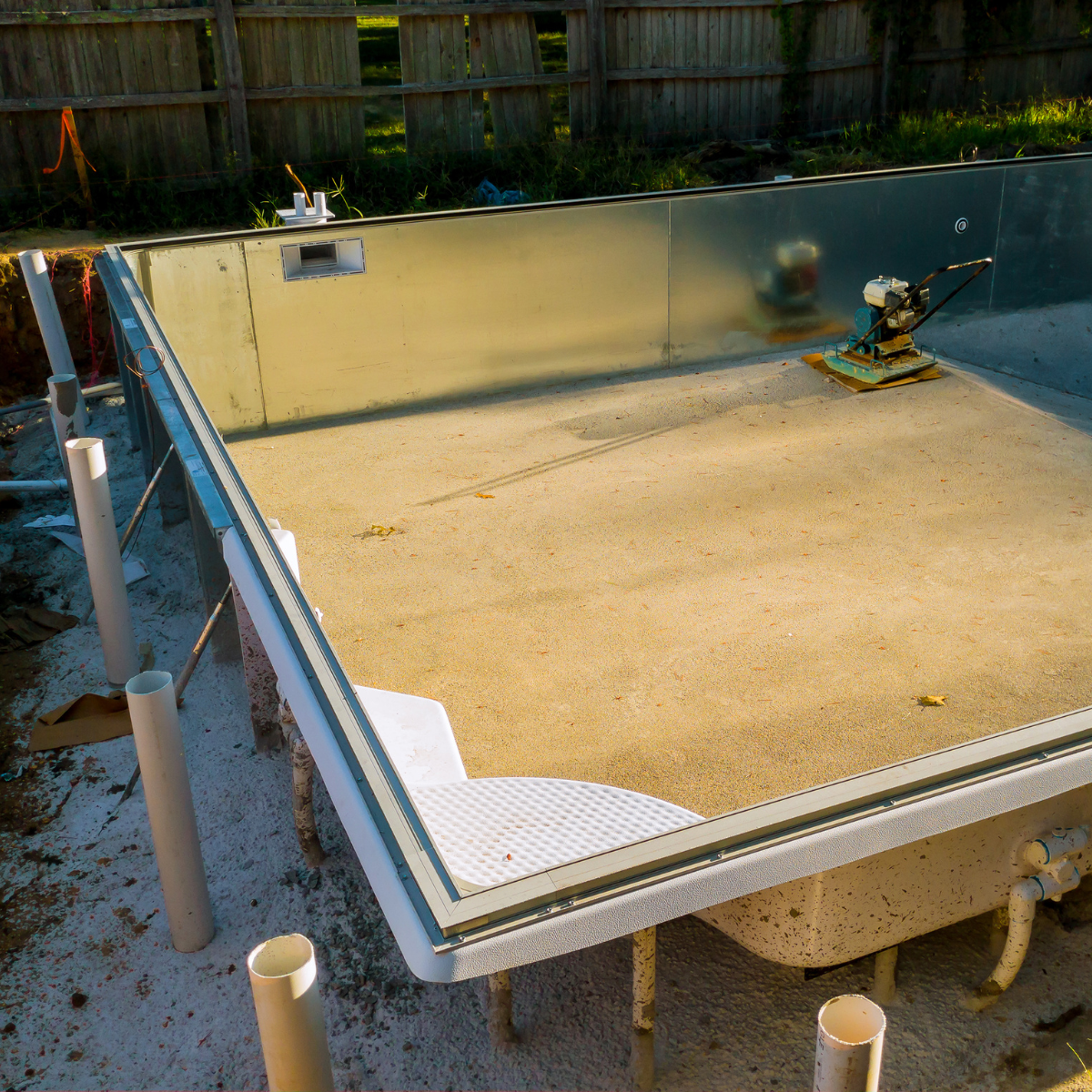
Once approvals are complete, the crew marks the pool’s location in the yard. Homeowners can then see how the final footprint relates to the house and surrounding landscape. Excavation equipment removes soil according to the approved dimensions. However, digging a pool requires more precision than creating a simple hole. The crew must account for the pool structure, plumbing, base materials, and final elevations. Soil conditions may affect this phase. Rock, groundwater, unstable soil, or buried debris can require additional preparation. Similarly, sloped yards may need grading or retaining solutions. Drainage also deserves careful attention. Water should move away from the pool, structures, and equipment area. Otherwise, runoff can create erosion or maintenance problems. The crew also prepares access routes for materials and equipment. Although excavation changes the yard temporarily, organized site management helps protect unaffected areas.
Installing the Pool Structure
The pool structure takes shape after excavation. However, the exact installation method depends on the selected material. Concrete pools are built directly on the property. Crews install reinforcement and create the custom structure before applying the chosen interior finish. This method supports highly customized shapes, depths, and integrated features. Fiberglass pools arrive as finished shells. The crew prepares the base, carefully lowers the shell, levels it, and completes controlled backfilling. Proper placement and drainage remain essential throughout installation. Vinyl-liner pools use a manufactured wall system. Crews assemble the walls, prepare the floor, and install a fitted liner over the completed structure. Each material offers different design and maintenance characteristics. Therefore, homeowners should review a detailed comparison of materials before making a final choice. The best option depends on the property and long-term goals.
Plumbing, Electrical and Equipment Installation
An in-ground pool relies on several systems hidden behind the finished design. Plumbing carries water between the pool, pump, filter, and sanitation equipment. The builder positions skimmers, returns, drains, and optional water-feature lines. These components must support reliable circulation throughout the pool. Next, electrical professionals connect equipment and required safety systems. Pool lighting, pumps, heaters, automation, and control panels all need proper installation. Local codes also regulate grounding and bonding. Equipment selection affects daily operation. Variable-speed pumps, efficient filters, automated controls, and sanitation systems can simplify pool ownership. However, equipment should match the pool’s size and features. The equipment pad must remain accessible for routine maintenance. Therefore, builders balance appearance with practical service access. Careful installation protects performance and safety. These systems shouldn’t be treated as minor additions after the structure is complete.
Decking and Outdoor-Living Features
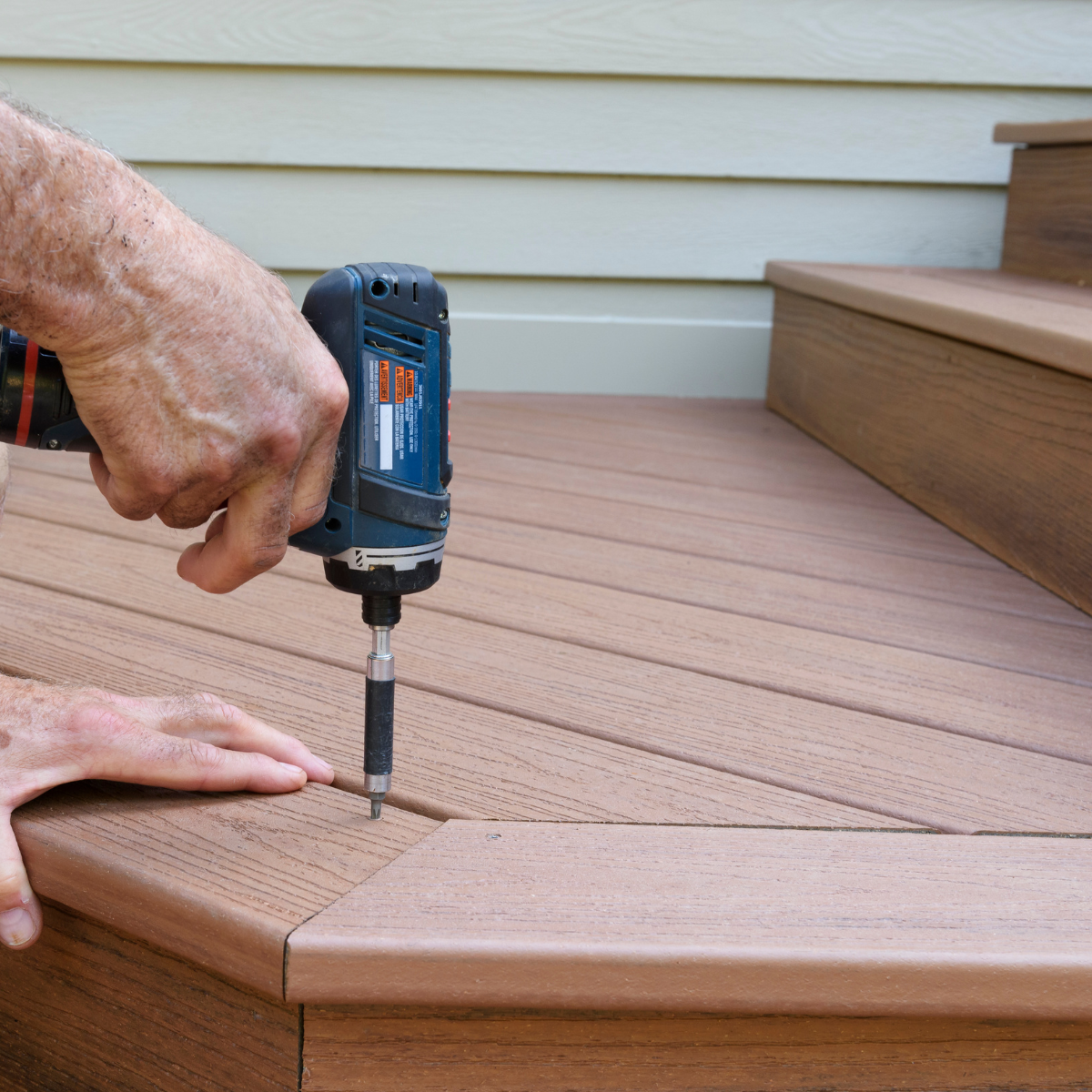
The decking connects the swimming pool to the rest of the backyard. It creates walking space, seating areas, and room for outdoor furniture. Concrete decking remains a popular option because crews can shape it around the pool. Homeowners may also choose decorative finishes, pavers, or connected patios. Coping finishes the pool’s upper edge and creates a transition to the deck. The selected style should complement both the pool interior and the home. Many projects also include landscaping, lighting, outdoor kitchens, fire features, or entertainment areas. Therefore, homeowners should plan the complete environment rather than treating the pool as an isolated feature. Drainage remains important during deck construction. The finished surface should direct water away from the pool and nearby structures. A coordinated design creates better movement through the yard. It also helps every feature feel intentional instead of added later.
Startup, Inspection and Owner Orientation
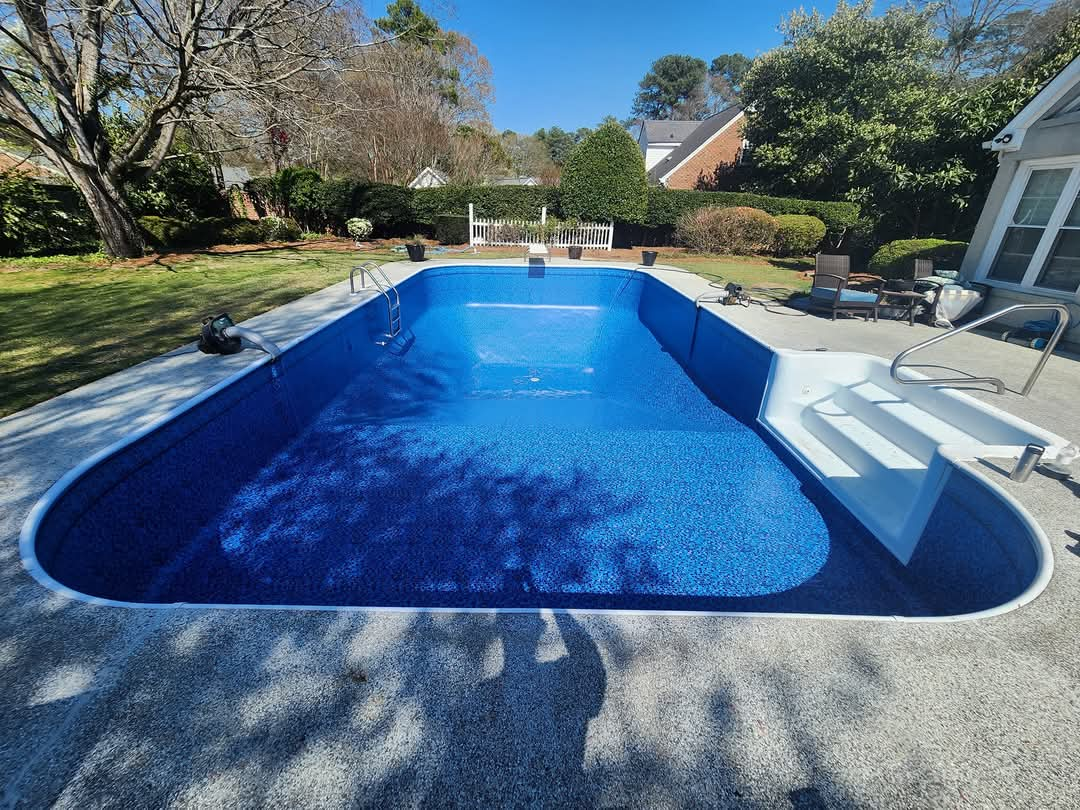
After construction and finishing work, the pool enters the startup phase. The team fills the pool and prepares the water for safe operation. New pool surfaces may require a specific startup process. Water chemistry must be monitored and adjusted carefully. The pump and filter must also operate correctly. Final inspections confirm that required systems and barriers meet local standards. Any remaining construction items should be completed before the owner orientation. During orientation, homeowners learn how to operate the pump, filter, sanitation system, lighting, heater, and automation. The builder should also explain cleaning tasks and maintenance expectations. North Carolina Custom Pools helps homeowners understand the complete system. That guidance creates greater confidence after construction ends. Explore the project gallery, installation timeline article, and pool material comparison before planning your project. Then, schedule a free consultation with North Carolina Custom Pools. The team can design a pool that fits your property and long-term vision.
Share This Story, Choose Your Platform!
Stay In the Know!
Stay up-to-date with the latest trends in pool design, maintenance tips, and exclusive offers by subscribing to our monthly newsletter.