
The Average Pool Project Includes More Than Construction
Pool Design and Site Evaluation
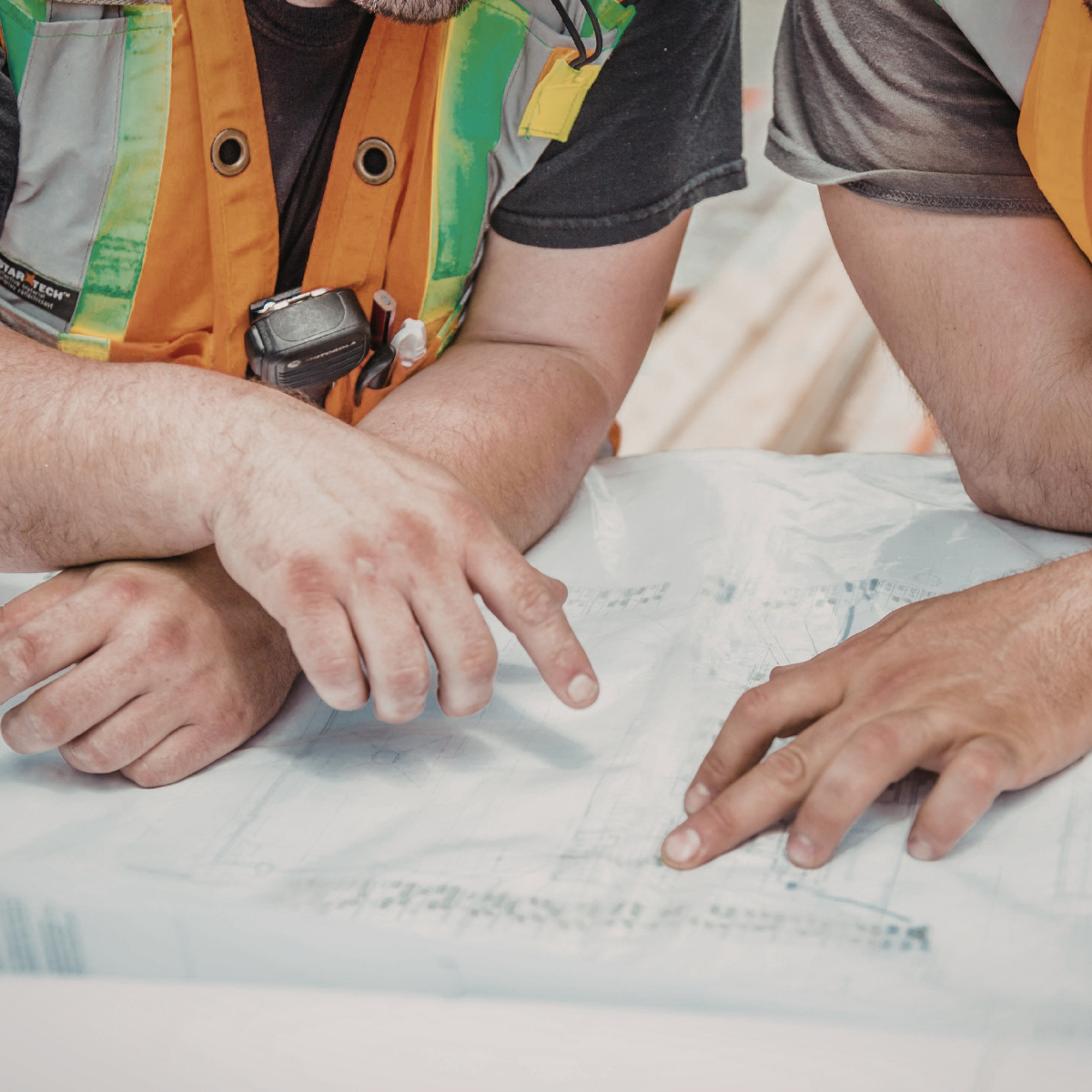
Every installation begins with a detailed property evaluation. The builder measures the available yard and reviews your preferred pool location. Next, the team evaluates how construction equipment can access the site. Limited access can affect excavation and material delivery. Narrow gates, nearby structures, fences, and steep grades may require additional planning. Similarly, drainage concerns must be addressed before work begins. The builder should also identify visible utilities and request official utility markings. Septic systems, wells, easements, and property setbacks may affect the design. Additionally, local requirements may limit where the pool and equipment can sit. During this phase, you’ll discuss pool size, shape, depth, steps, seating, and intended use. You’ll also review decking, sanitation, lighting, heating, and automation options. Finalizing these decisions early helps prevent later changes. Therefore, a thorough site evaluation protects both the timeline and finished design.
Permitting and Preconstruction Planning
After the design is approved, the project enters preconstruction planning. Your builder prepares the documents required by the local permitting authority. Requirements can vary between North Carolina municipalities and counties. Some properties may need additional engineering or site documentation. Homeowners’ associations may also require design approval before construction begins. Therefore, these requirements should be identified as early as possible. Material ordering usually begins during this stage. Fiberglass shells, equipment, lighting, finishes, and specialty features may have different lead times. A delayed selection can affect the construction schedule. Your builder must also coordinate subcontractors, deliveries, inspections, and equipment access. These details happen before the first excavation machine reaches your yard. Permitting timelines remain outside the builder’s full control. However, an experienced contractor can prepare complete information and respond to requests. Organized preconstruction planning helps reduce preventable delays.
Excavation and Pool Installation
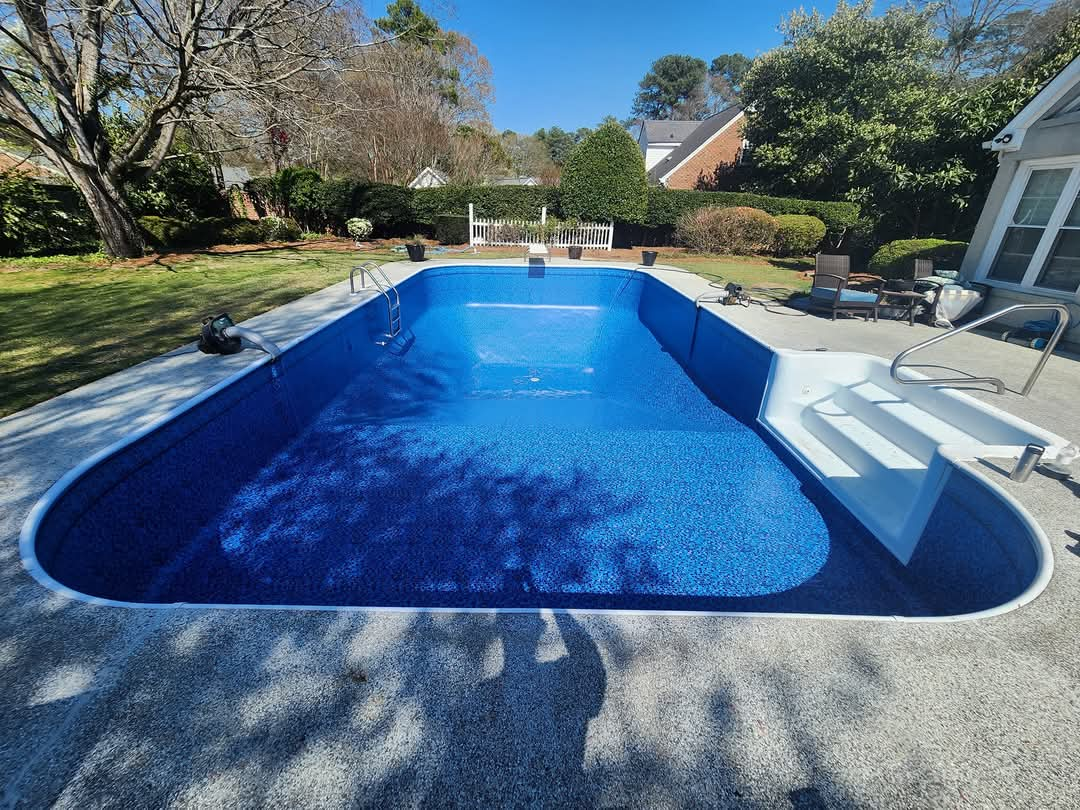
Once permits and materials are ready, the physical construction begins. First, the crew marks the approved pool layout. Then, excavation equipment removes soil and prepares the pool area. The next phase depends on the pool material. Concrete pools are formed and constructed directly on the property. Therefore, they require several structural and finishing steps. Fiberglass pools arrive as premanufactured shells. Crews prepare the excavation, place the shell, connect plumbing, and complete controlled backfilling. The physical shell installation may move faster, although site preparation still matters. Vinyl-liner pools use manufactured wall systems and a custom liner. Crews assemble the structure, prepare the floor, install plumbing, and fit the liner. Each method has different requirements. However, careful grading, drainage, and structural preparation remain essential. Rushing these steps can create long-term problems.
Decking, Electrical Work and Finishing Features
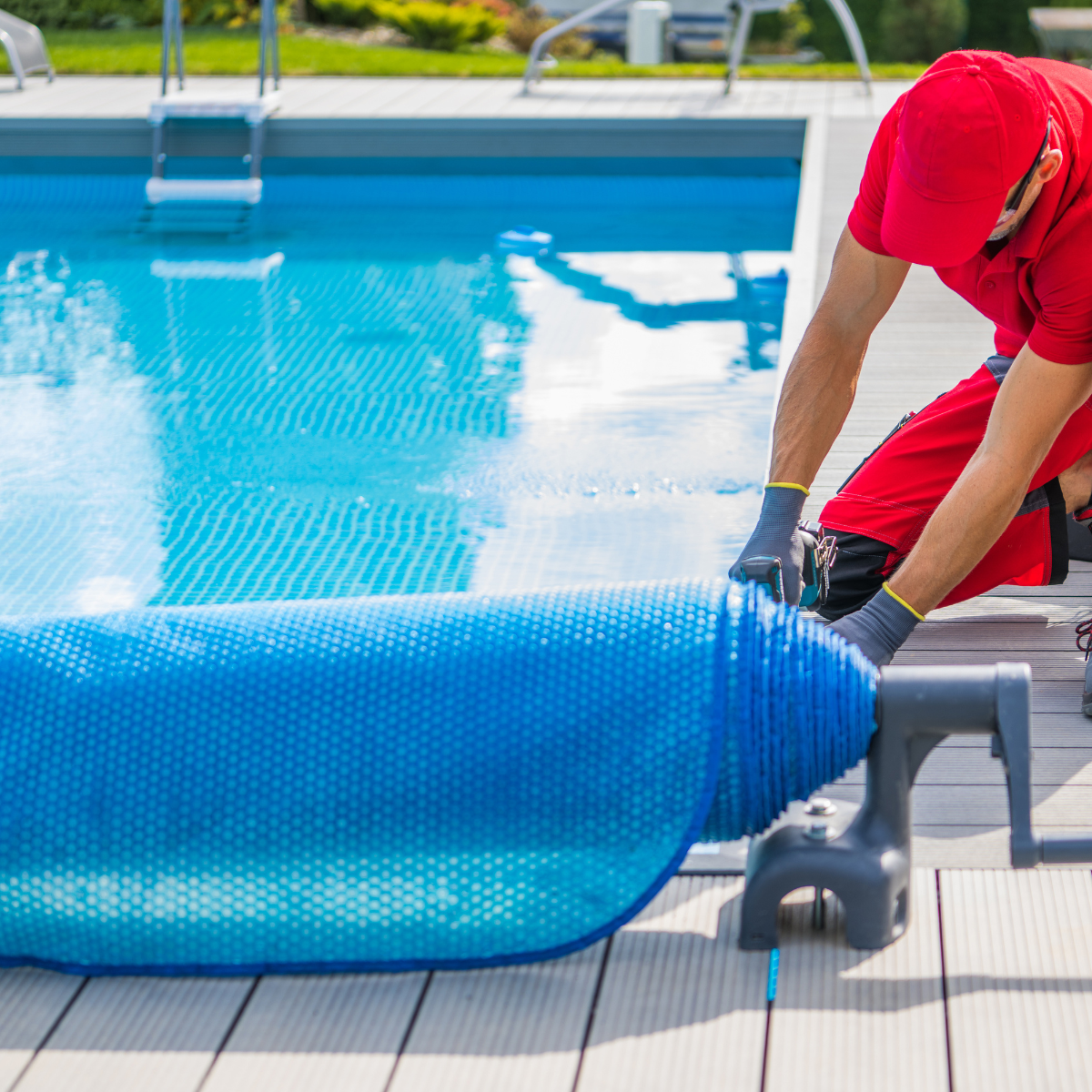
The pool structure represents only part of the finished project. Crews must also install plumbing, equipment, electrical connections, coping, and decking. The deck design can significantly affect the timeline. A modest concrete deck may require fewer steps than a large patio with multiple elevations. Decorative finishes and connected entertainment areas require additional preparation. Electrical work must support pumps, lighting, automation, heaters, and safety systems. Additionally, local codes may require fencing or other barriers before final approval. Landscaping, outdoor kitchens, fire features, and water features can extend the project. Therefore, homeowners should decide whether these elements belong in the initial phase. Inspections may occur throughout construction. The project can’t move forward until specific work receives approval. Your builder should coordinate these inspections and communicate any scheduling effects.
What Can Delay a Pool Installation?
Weather remains one of the most common construction challenges. Heavy rain can saturate soil, interrupt excavation, and delay concrete or decking work. Severe heat or freezing temperatures may also affect certain materials. Inspections can create additional waiting periods. Although builders schedule them promptly, local availability may vary. Corrections or requested documentation can add more time. Change orders can also interrupt progress. Moving the pool, adding features, or switching materials after construction begins may affect labor and deliveries. Therefore, major decisions should be completed during the design phase. Limited property access may require smaller equipment or specialized methods. Unexpected soil conditions, groundwater, rock, or buried obstructions can also change the plan. Not every delay can be prevented. However, early evaluation and clear communication reduce surprises. An experienced builder should explain challenges instead of hiding them.
How to Keep Your Pool Project Moving
Homeowners can support the construction timeline by making decisions early. Review the pool shape, finish, equipment, decking, and upgrades before ordering materials. Additionally, provide property documents and homeowners’ association information quickly. Make sure the builder knows about septic systems, irrigation, buried lines, or previous yard work. Avoid major design changes after construction begins. Although some adjustments may remain possible, changes often affect labor, inspections, and materials. Choosing an experienced contractor also matters. North Carolina Custom Pools can manage the design, property evaluation, construction phases, and final preparation. Our team will also help you understand how each choice affects the schedule. Read the complete pool-construction process and in-ground pool cost guide before your consultation. Then, contact North Carolina Custom Pools to discuss your property. A customized project plan will provide a more useful timeline than any general estimate.
Share This Story, Choose Your Platform!
Recent Posts


Stay In the Know!
Stay up-to-date with the latest trends in pool design, maintenance tips, and exclusive offers by subscribing to our monthly newsletter.