
What Your North Carolina Pool Closing Checklist Should Cover
Begin Your Pool Maintenance Checklist with a Visual Inspection
Begin your pool maintenance checklist with a calm walk around the entire pool area. Look for unusual water loss, stains, loose tile, damaged coping, or cracked deck materials. Check whether gates, cover anchors, ladders, and visible lighting look secure. Notice standing water near the equipment pad or changes around drainage areas. Trees can add more debris, and roots can complicate access in wooded Piedmont yards. Coastal wind can move sand and organic material toward the pool. Mountain slopes can send runoff across decks after heavy rain. These observations do not diagnose structural or equipment problems. They simply show where professional attention may help. Take dated photos and note anything that changed during summer. A short record makes fall planning easier. It also helps you explain concerns clearly when you request an inspection or maintenance conversation.
Control Fall Debris Before It Changes Water Quality
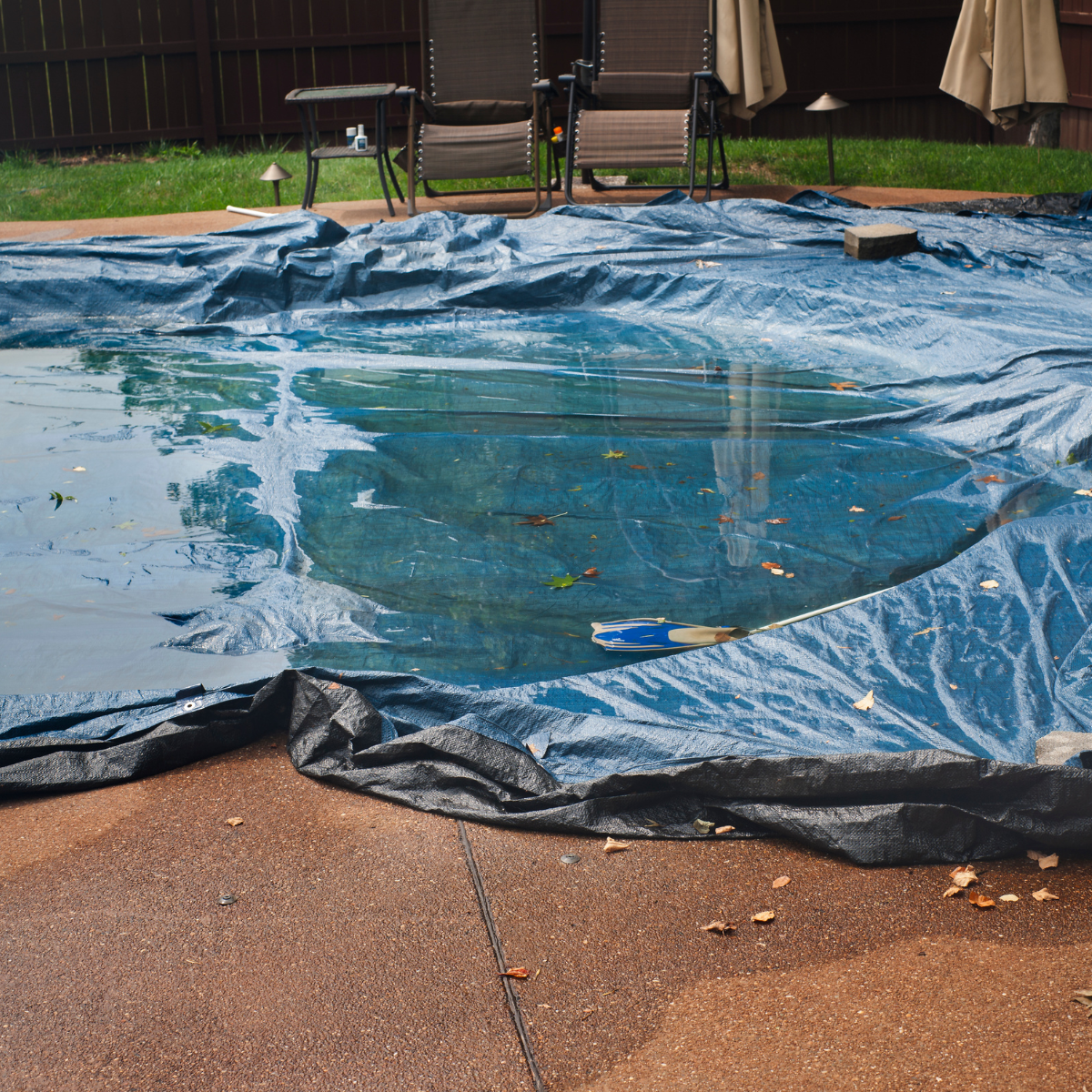
Fall debris deserves its own section because leaves, pine needles, and acorns can arrive quickly. Organic material can cloud water, overload baskets, and leave stains on some surfaces. Windy coastal yards may need more frequent attention than sheltered backyards. Wooded Piedmont properties may face a steady stream of needles and seed pods. Mountain yards can collect runoff after storms. Empty baskets and clean surfaces help the system work as intended, but they do not replace professional care. Continue normal water testing and follow your pool professional’s guidance. Avoid changing chemistry based only on water color or a single reading. A cover may reduce debris, yet it still needs regular observation. If water becomes cloudy, discolored, or difficult to manage, ask for help before the problem grows. Fall maintenance works best when small changes receive attention early.
Review Equipment Without Attempting Risky Repairs
Next, review equipment behavior without attempting risky repairs. Listen for new pump sounds and notice changes in return flow. Watch for leaks, pressure changes, error messages, or unusual automation behavior. Check whether heaters, lights, and water features operate as expected. Exposed plumbing and raised features may deserve extra attention during colder weather. Mountain properties may need earlier freeze-readiness discussions than coastal properties. Piedmont homeowners should still monitor systems during sudden cold periods. Never bypass freeze protection or alter electrical components. Do not change unfamiliar settings based on generic online advice. Manufacturer instructions can vary by equipment and installation. If something looks wrong, turn the observation into a service question. A qualified professional can explain what needs attention without asking you to diagnose the system. That approach protects your equipment and keeps your fall checklist practical.
Decide Whether Your Pool Needs Winter Preparation
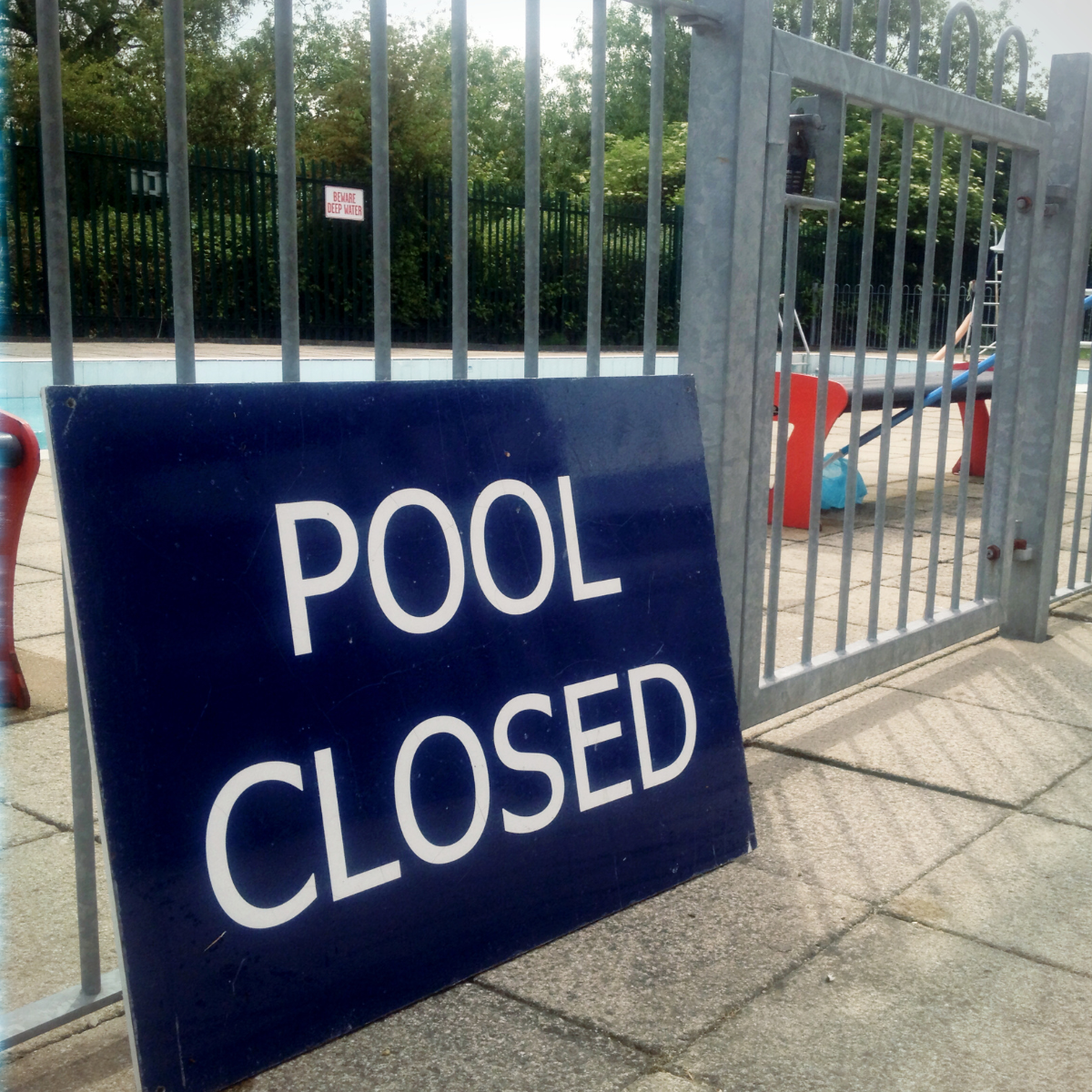
Use the checklist to decide whether your pool should stay open, be used less, or receive winter preparation. A pool-closing checklist should support that decision, not force every homeowner into a single routine. Closing may suit a vacant home, a pool that will sit unused, or equipment needing professional review. Colder mountain conditions may make early planning more valuable. Piedmont and coastal homeowners may keep pools open with consistent monitoring. Open operation still requires debris control, water care, and equipment awareness. Your pool design, automation, heaters, water features, and cover options also matter. Don’t drain an in-ground pool or disconnect systems just because a generic checklist suggests it. Ask a professional to explain the safest approach for your property. Manufacturer requirements and local conditions can change the recommendation. The best plan matches your equipment, region, schedule, and comfort level.
Use Fall to Plan Repairs, Covers, and Upgrades
Fall also creates a useful window for planning repairs and upgrades. Note recurring stains, loose tiles, worn coping, leaks, noisy equipment, or hard-to-clean areas. You may want a better cover strategy or easier access around the equipment pad. You may also discover that lighting, heating, automation, or outdoor living features no longer fit your goals. These observations do not require an immediate construction decision. They give you time to compare options and verify what your pool can support. A maintenance review can separate routine care from renovation needs. A design conversation can connect future improvements with your yard and lifestyle. North Carolina conditions vary, so solutions should reflect drainage, debris, exposure, and seasonal use. Document concerns now, then ask qualified professionals which changes should be prioritized. Planning before spring can reduce rushed choices and improve the next swimming season.
Get Local Help Before You Finalize Your Fall Plan
If you still feel unsure, schedule a seasonal pool evaluation before you finalize your fall plan. Bring your notes, photos, equipment questions, and expected winter use. North Carolina Custom Pools can help you discuss maintenance support, winter preparation, repair priorities, or future upgrades. The conversation should match your pool, property, region, and comfort level. Ask which recommendations depend on manufacturer instructions or local requirements. A clear review can replace guesswork with a practical checklist you can follow. It can also identify concerns before they become harder to manage. Contact North Carolina Custom Pools to request a seasonal consultation for your backyard. Use the review to choose your next safe step. That step may involve continued care, professional preparation, or planned improvements.
Share This Story, Choose Your Platform!
Recent Posts


Stay In the Know!
Stay up-to-date with the latest trends in pool design, maintenance tips, and exclusive offers by subscribing to our monthly newsletter.