
A personable, educational guide to water balance, debris control, and freeze protection for North Carolina pool owners.
North Carolina winters stay mild, yet pools still need professional attention for dependable, consistent water quality. Technicians visit regularly, catching small issues before they become expensive spring disasters for owners and homeowners. Leaf drop continues through January, especially near oaks, pines, and sweetgums around evergreen yards. Pros remove debris quickly, keeping stains away from plaster, tile, and delicate vinyl surfaces. They verify pump schedules, ensuring circulation during temperature swings and heavy winter rain events energy efficiently. Balanced water protects ladders, lights, heaters, and handrails from corrosive chemistry shifts. Cover checks matter too, because wind gusts can loosen straps and expose water tight. Service teams monitor waterline scum, preventing sticky grime buildup that becomes hard to scrub later. Winter cleaning also supports safer walkways by reducing slick overspray and puddled splash outs around or on nearby patios. With consistent care, your pool stays clear, stable, and ready when warm weekends return fresh again.
Chemicals and Why They Matter
Cold water slows reactions, so precise testing becomes more important during North Carolina winter service monthly. Professionals use calibrated kits to measure chlorine, pH, alkalinity, and calcium hardness accurately every visit. They adjust alkalinity first, helping pH stay steady and reducing scale on tile bands wintertime. Proper calcium levels prevent etching on plaster and fading on fiberglass gel coats over time seasonally. Chlorine remains effective when stabilizer stays moderate, so technicians track cyanuric acid carefully too. For salt pools, pros inspect cells and clean plates gently before mineral crust blocks output. They watch for phosphates from runoff, then recommend measured targeted treatment rather than dumping extra sanitizer. Metal management prevents brown discoloration, especially where well water feeds automatic fillers year round sometimes. Clear records show trends, making dosing predictable and avoiding surprise chemistry swings after storms. Stable balance means fewer repairs, better clarity, and lower chemical costs when you reopen.
Why Winter Cleaning is Important
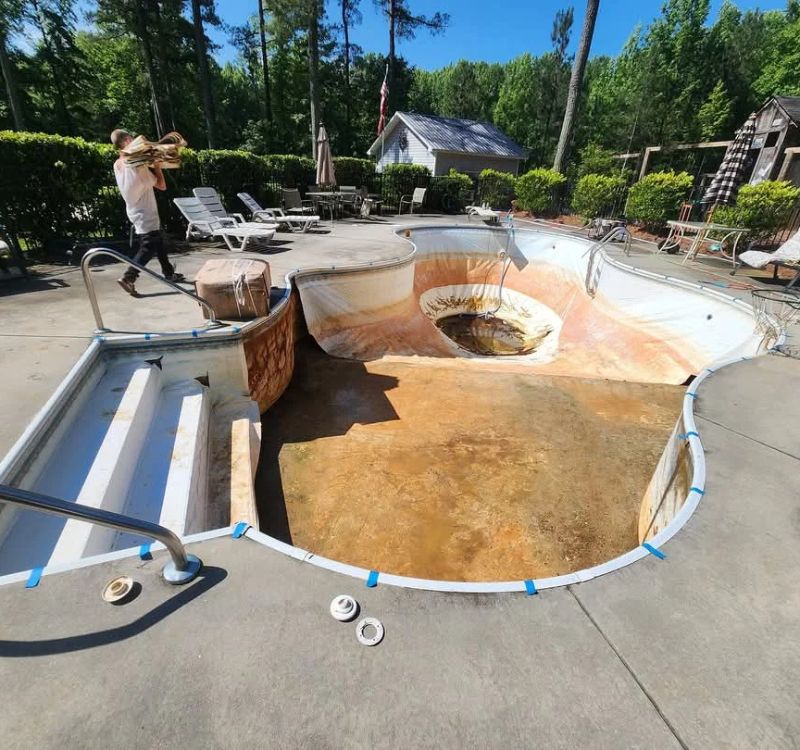
Winter debris is different, and professionals tailor cleaning to North Carolina’s late season leaf loads typical. Skimmers clog fast with pine needles, so techs empty baskets and check doors each visit. Vacuuming removes grit that settles after rain, protecting finishes from scratches and dull patches. Brushing walls prevents Page 2 biofilm, especially behind ladders, steps, and tight corners with weak flow. Filter care depends on your system, so pros backwash sand, recharge DE, or rinse cartridges thoroughly carefully. They track pressure readings, catching restriction early before pumps strain or lose prime overnight. Return jets get adjusted to improve circulation, pushing fine debris toward drains and skimmers reliably. If you use a cover, technicians clear puddles and add leaf nets to reduce sagging. Clean filtration improves sanitizer performance, because fewer organics consume chlorine and create odors. That reduces spring cleanup time and keeps water looking inviting even without swimmers present dramatically.
Freezing Conditions
Freeze protection is a major benefit of professional winter pool service across North Carolina climates statewide. Even brief cold snaps can crack fittings, split pipes, and damage pump housings overnight. Pros confirm water level, lowering it when needed to protect skimmers and fragile tile lines properly. They install expansion devices that absorb ice pressure, reducing stress inside skimmer throats each season. For open pools, technicians set freeze guards and verify sensors read air temperature correctly quickly. Unions, lids, and rubber O rings get inspected, because leaks worsen during contraction and vibration. Heater protection also includes draining headers, checking bypass valves, and clearing soot for safe ignition. Full winterization may include blowing lines, plugging returns, and adding pool antifreeze gently where appropriate. Automation panels and GFCI circuits are tested to reduce shock risk during wet winter conditions outdoors. Preventive steps save money and protect your backyard from avoidable emergency repairs later.
Maintenance In The Winter
Professional winter maintenance can be scheduled strategically, keeping North Carolina owners informed and confident everywhere. Many companies offer biweekly plans, then increase visits briefly during heavy leaf weeks or stormy stretches. Each appointment includes notes, photos, and readings, so you understand simple what changed since last time. Technicians check water level after rainfall, preventing overflow that washes chemicals onto landscaping areas unexpected. They inspect decking and drains, spotting erosion and slippery algae that can create safety hazards. Equipment reviews include listening for motor noise and verifying timers, valves, and actuators operate smoothly quietly. Pros advise on chemical storage, because liquid chlorine weakens in heat and can vent fumes. Measured dosing avoids over chlorination, protecting covers, swimsuits, and sensitive finishes from bleaching damage. When questions come up, you get practical answers, not confusing jargon or guesswork online today. Education plus routine service makes spring openings faster, cheaper, and far less stressful overall.

Why Choose North Carolina Custom Pools
Choosing the right North Carolina pool cleaner starts with winter-focused services, transparent pricing, and consistent communication. Ask whether they offer routine maintenance, partial winter care, or full winterization for your specific system. Look for insured, trained technicians who understand your pump, filter, heater, and automation equipment. Request a written visit checklist covering testing, debris removal, filtration upkeep, and basic freeze protection. A dependable crew schedules ahead, arrives on time, respects your property, and flags repairs quickly. North Carolina Custom Pools stands out by tailoring service to North Carolina’s shifting temperatures, heavy rain, and seasonal debris. They use reliable digital testing in cold water, customize care for covers or open pools, and inspect freeze-risk areas like skimmers, unions, and heater components. Their visit notes include readings and photos, and they optimize timers and variable-speed settings to reduce energy waste. With local knowledge of clay runoff and pine needle buildup, winter care stays controlled and spring opening becomes faster and less costly.
Share This Story, Choose Your Platform!
Recent Posts


Stay In the Know!
Stay up-to-date with the latest trends in pool design, maintenance tips, and exclusive offers by subscribing to our monthly newsletter.