
A Gentler Way to Enjoy Your North Carolina Pool
How a Saltwater System Works
A saltwater pool uses a generator to convert dissolved salt into chlorine. First, pool water moves through the filtration system. Next, the salt cell creates a steady amount of sanitizer. Then, the treated water returns to the pool. Because the process continues during circulation, chlorine levels can stay more consistent. Consequently, owners may avoid the sharp increases caused by manual chemical additions. The system still needs proper settings for weather, swimmer activity, and pool size. During hot North Carolina weeks, sanitizer demand may increase. Heavy rain can also affect salt levels and water balance. Therefore, regular testing remains important throughout summer. North Carolina Custom Pools can help select and install the correct equipment. Their team can also explain how the controls work. That support helps homeowners feel confident after installation.
Saltwater Benefits for North Carolina Families
Comfort remains one of the biggest reasons homeowners choose saltwater. The water often feels smoother against skin and hair. Moreover, balanced saltwater can feel less irritating during long swim days. Families may also appreciate fewer chemical storage needs around the home. Since the generator creates sanitizer, owners don’t handle chlorine products as often. Additionally, consistent chlorine production can support clearer water during normal use. However, every pool responds differently to weather and swimmer demand. North Carolina’s heat, pollen, storms, and humidity can change water conditions quickly. Therefore, homeowners shouldn’t ignore routine care. A saltwater system works best when owners monitor chemistry and equipment. With professional guidance, the system can deliver convenient care without sacrificing cleanliness. It can also support a more relaxing backyard experience throughout the swimming season.
Maintenance Still Matters
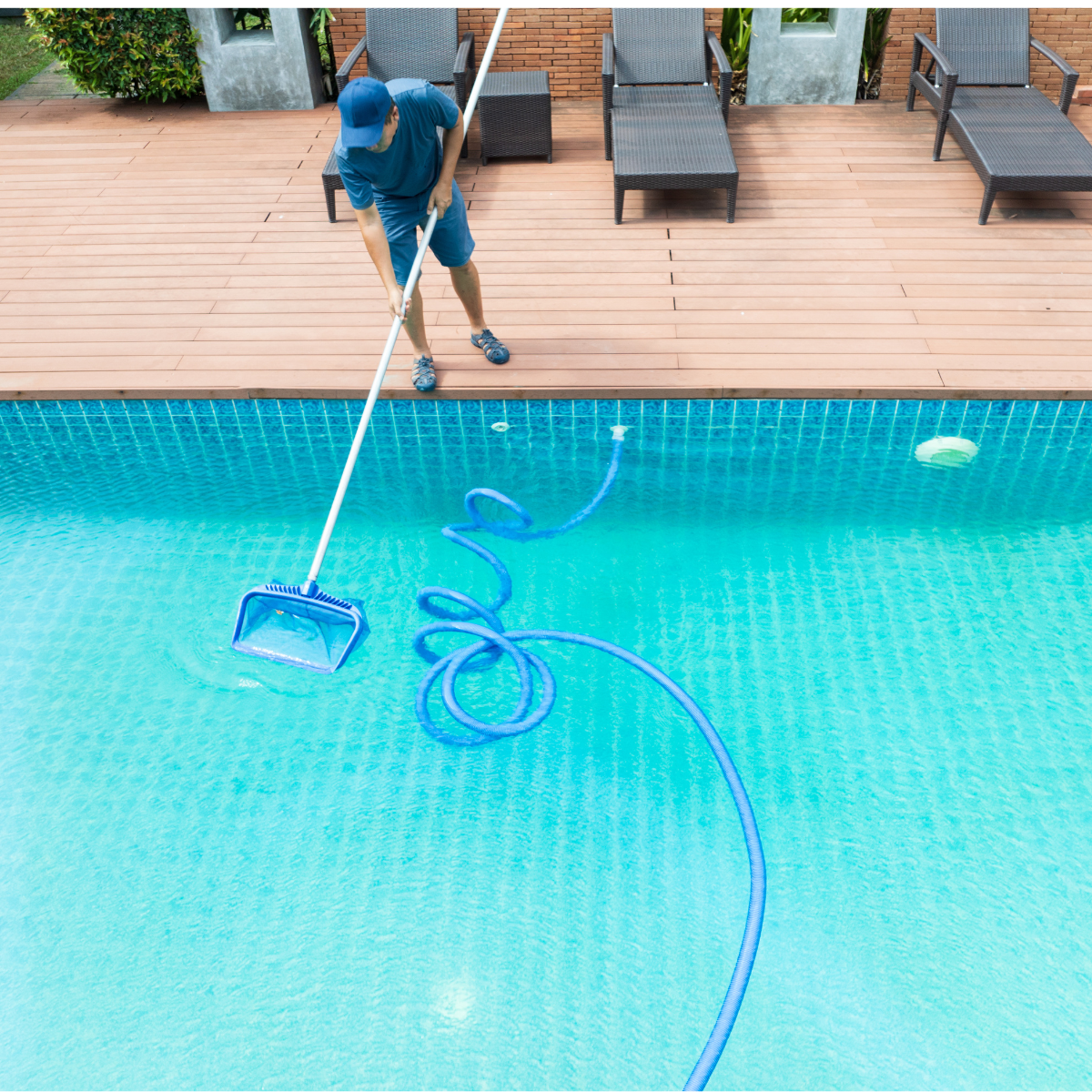
Saltwater pools can reduce some weekly tasks, but they aren’t maintenance-free. Owners still need to skim debris, brush surfaces, and clean filters. Additionally, they must test pH, alkalinity, salt, and sanitizer levels. The salt cell also needs inspection because mineral buildup can reduce performance. Fortunately, regular checks can prevent many larger problems. Homeowners should also watch metal components, stonework, and nearby surfaces. Splash-out can leave salt behind after the water evaporates. Therefore, rinsing certain areas can help protect finishes. North Carolina Custom Pools offers maintenance and support for customized pool systems. Their team can inspect equipment, balance water, and address repairs when needed. As a result, homeowners don’t have to troubleshoot every issue alone. Consistent professional care protects both the water and the equipment.
Understanding the Long-Term Investment
A saltwater system usually costs more upfront than a basic chlorine setup. However, the long-term experience may justify that investment for many homeowners. You may buy fewer traditional chlorine products during routine operation. Additionally, automated sanitizer production can make pool care feel more predictable. Yet salt cells don’t last forever. Eventually, the cell will need replacement. Equipment costs, pool size, and usage should guide your decision. Therefore, homeowners should compare both installation and future maintenance expenses. A professional consultation can clarify those details before construction begins. North Carolina Custom Pools evaluates the pool’s design, size, and intended use. Then, the team recommends a system that matches the project. This planning helps prevent undersized equipment and disappointing performance. It also gives homeowners a clearer picture of ownership costs.
Choosing Saltwater During Custom Design
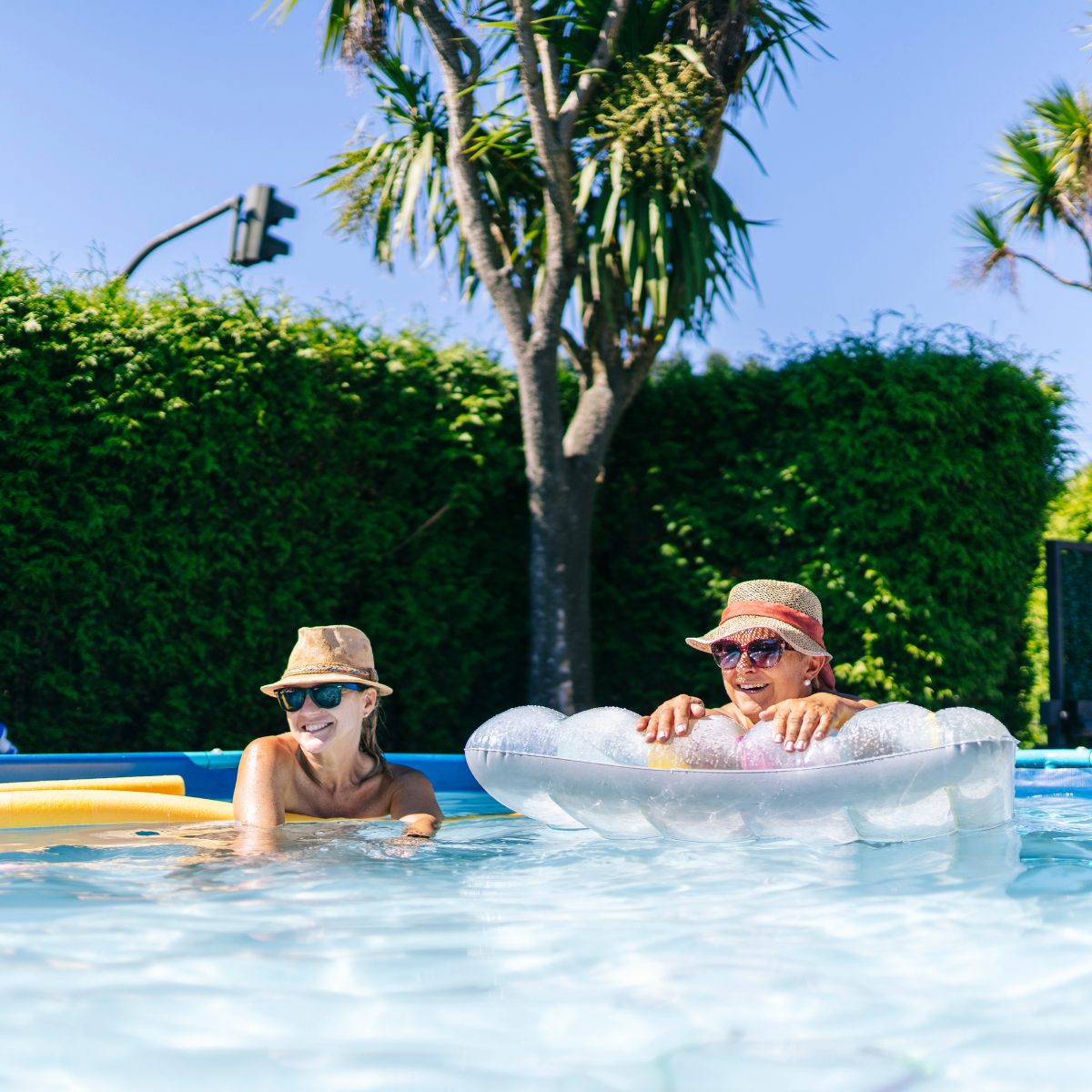
The best time to consider saltwater is during the design process. Early planning helps the builder coordinate equipment, finishes, plumbing, and surrounding materials. Furthermore, homeowners can compare saltwater with other sanitation options before construction starts. They can also decide how much automation they want. For example, smart controls can simplify pump schedules and system adjustments. The pool’s shape and features may also affect circulation needs. Therefore, each detail should support the entire system. North Carolina Custom Pools uses custom planning to blend function with appearance. Their team can help homeowners choose lighting, waterfalls, patios, and other additions. As a result, the saltwater system becomes part of a complete backyard plan. It doesn’t feel like an afterthought added after construction.
Start With the Right Pool Partner
Share This Story, Choose Your Platform!
Recent Posts


Stay In the Know!
Stay up-to-date with the latest trends in pool design, maintenance tips, and exclusive offers by subscribing to our monthly newsletter.