
Concrete and Fiberglass Pools Have Different Cost Structures
What Affects Concrete Pool Pricing?
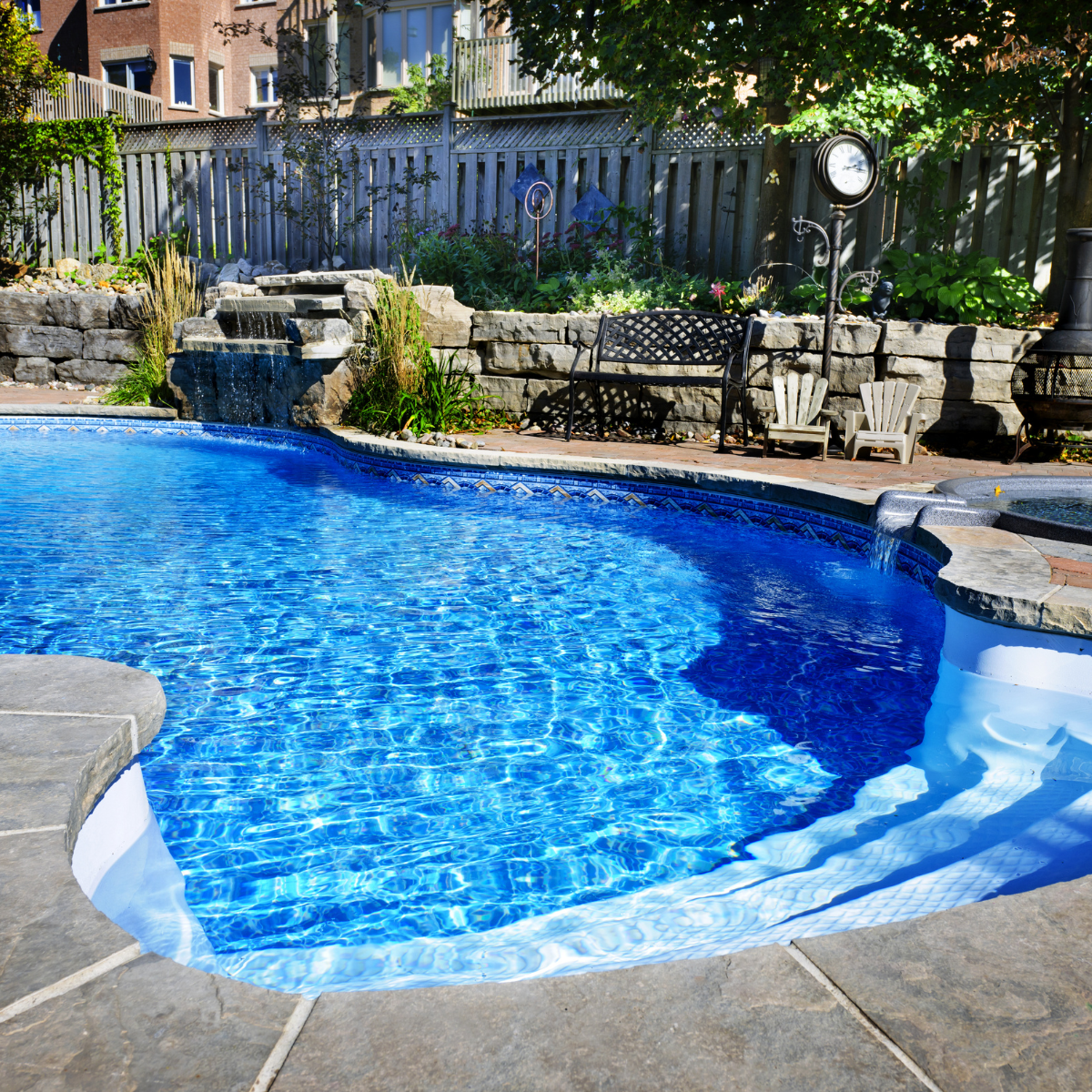
Concrete pool pricing begins with the custom design. Larger pools require more excavation, structural materials, plumbing, finishes, and labor. Increased depth can also affect construction requirements. Shape matters because concrete supports significant customization. Homeowners may request curves, geometric designs, beach entries, tanning ledges, benches, spas, and specialty depths. However, complex designs can require additional work. Property conditions also influence pricing. Steep slopes, limited access, rock, groundwater, drainage concerns, or unstable soil may require specialized preparation. Interior finishes create another cost category. Homeowners can compare different colors, textures, aggregates, tile details, and decorative elements. Coping and decking choices also affect the final proposal. Water features, heating, lighting, automation, and sanitation upgrades can increase the project scope. Concrete provides considerable design freedom. However, that flexibility makes accurate pricing dependent on a completed plan.
What Affects Fiberglass Pool Pricing?
Fiberglass pricing begins with the selected shell model. Manufacturers offer different lengths, widths, depths, entry designs, benches, and built-in features. Larger or more detailed shells generally require greater material, transportation, and installation resources. Additionally, the delivery route can affect planning. A fiberglass shell must reach the prepared excavation safely. Therefore, narrow roads, overhead lines, trees, fences, and limited yard access may create challenges. Some properties may need special lifting or access arrangements. The installation package also affects the price. Homeowners should confirm whether the proposal includes delivery, excavation, base preparation, plumbing, backfilling, equipment, coping, and basic decking. Optional features remain separate in many quotes. Heating, lighting, saltwater equipment, automation, water features, and expanded patios can change the total. Comparing complete installation packages provides more useful information than comparing shell prices alone.
Installation-Time Differences
Concrete and fiberglass pools follow different installation methods. As a result, their physical construction timelines can differ. Concrete pools are formed and built at the property. The structure, plumbing, surface, tile, coping, and other components require coordinated construction phases. Certain materials may also need curing or startup procedures. Fiberglass shells arrive with the primary structure already manufactured. Crews excavate the site, prepare the base, place the shell, install plumbing, and complete controlled backfilling. Therefore, fiberglass installation may require less on-site structural work. However, faster shell placement doesn’t remove permitting, design, drainage, electrical, decking, and inspection requirements. Weather and property conditions can affect either project. Additionally, a complex outdoor-living design may extend the schedule regardless of the pool material. Homeowners should compare complete project timelines rather than focusing only on the structure’s installation.
Maintenance and Long-Term Ownership Costs
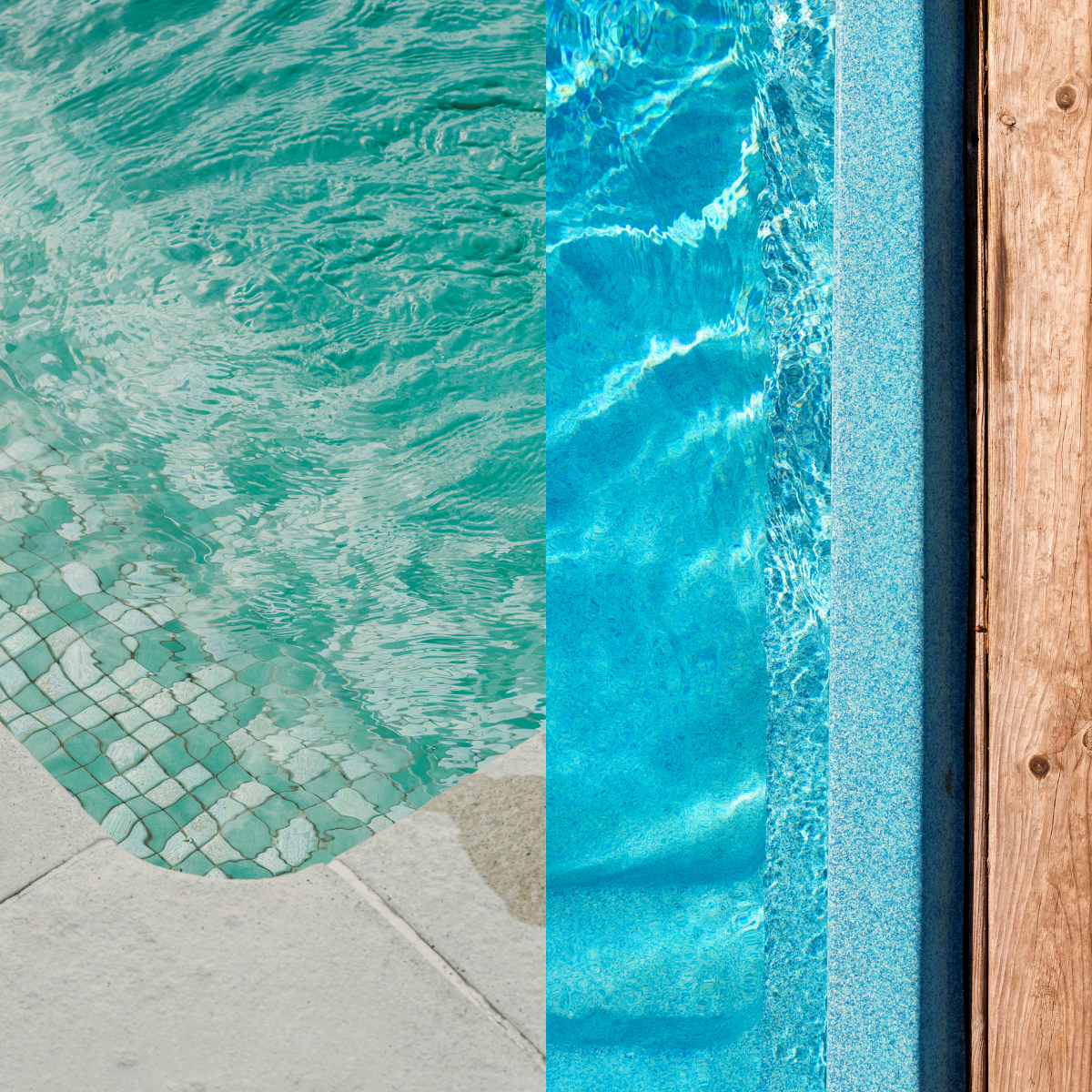
Concrete pools require routine cleaning, water testing, and equipment maintenance. Their interior surfaces may also need periodic care or eventual resurfacing. Surface texture can influence brushing and cleaning needs. Water chemistry must also remain properly balanced to protect the finish. Fiberglass surfaces are generally smooth and nonporous. As a result, homeowners may find routine brushing easier. However, fiberglass pools still require consistent circulation, filtration, sanitation, and water testing. Both pool types use pumps, filters, plumbing, and optional heaters. These components may require maintenance or replacement over time. Chemical expenses depend on pool size, usage, weather, sanitation, and maintenance habits. Consequently, material choice represents only one part of ownership costs. Reviewing the concrete pool lifespan and maintenance requirements can help homeowners prepare. A complete cost guide can also explain expenses that apply to every inground pool.
Customization, Durability and Property Fit
Concrete performs especially well when homeowners want a highly customized design. Builders can create unusual shapes, varying depths, integrated spas, large tanning ledges, and detailed water features. Therefore, concrete may offer better value for properties requiring a specific layout. It can also support larger or more complex designs. Fiberglass may be more practical when a suitable shell model matches the yard and homeowner’s goals. The finished surface arrives with the structure, and the installation process can require fewer custom structural phases. However, shell dimensions and transportation create limitations. The selected model must fit both the property and delivery route. Both materials can provide long-term enjoyment when installed and maintained correctly. Durability depends on construction quality, drainage, water chemistry, equipment care, and property conditions. The best fit combines practical installation needs with the homeowner’s design priorities.
Which Pool Type Offers Better Value?
Concrete may offer better value when customization matters most. Fiberglass may offer better value when homeowners prefer a predesigned shell and streamlined installation process. Your maintenance expectations should also guide the decision. Some homeowners accept periodic surface renovation in exchange for concrete’s design flexibility. Others prefer the smooth finish and fixed shell designs available with fiberglass. Property access may eliminate or complicate certain options. Similarly, the desired pool size and depth can narrow the available choices. North Carolina Custom Pools can evaluate the yard and compare suitable materials. The team can also explain how decking, equipment, upgrades, and site preparation affect each proposal. Review the fiberglass pricing article, concrete lifespan guide, and complete inground pool cost guide. Then, request a customized estimate from North Carolina Custom Pools. A property-specific comparison will provide a clearer answer than a generic online price.
Share This Story, Choose Your Platform!
Recent Posts

Stay In the Know!
Stay up-to-date with the latest trends in pool design, maintenance tips, and exclusive offers by subscribing to our monthly newsletter.