
Do You Need to Close Your Pool for Winter in North Carolina?
What Pool Closing Really Means in North Carolina
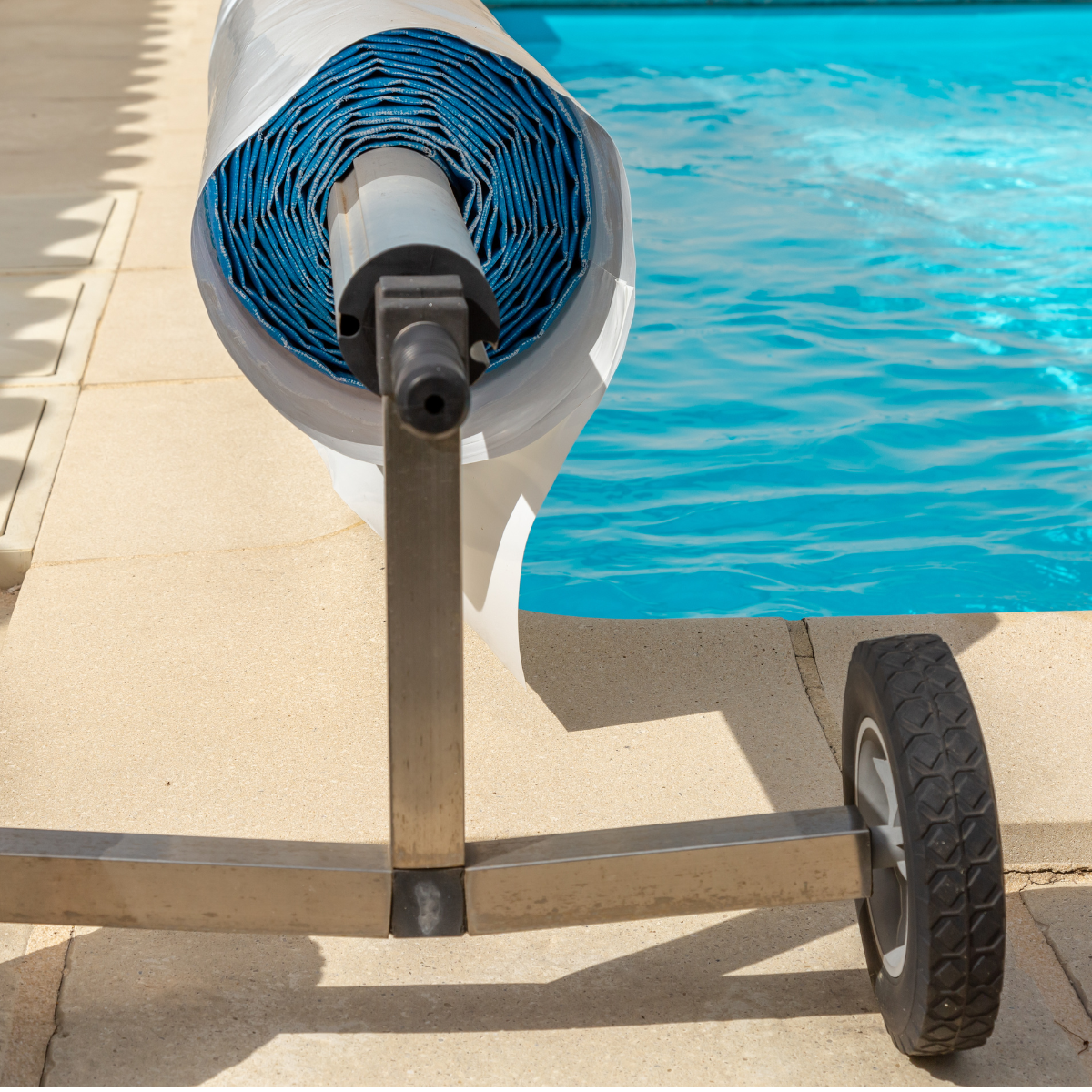
Pool closing means preparing the pool and equipment for lower use and colder weather. It does not always mean draining water or shutting everything down. In many North Carolina settings, homeowners keep the pool filled and protect equipment instead. The goal is stable water, protected plumbing, and fewer winter surprises. If you search for how to winterize a pool, you will often find advice written for colder states. That guidance can be too aggressive for many North Carolina pools. A local plan should match your system and your climate pattern. Usage patterns matter too. Pools with spas, water features, automation, or heaters may need different attention. The same goes for saltwater systems. Before making changes, confirm how your pool is built and how you plan to use it.
How Your Region Changes the Answer
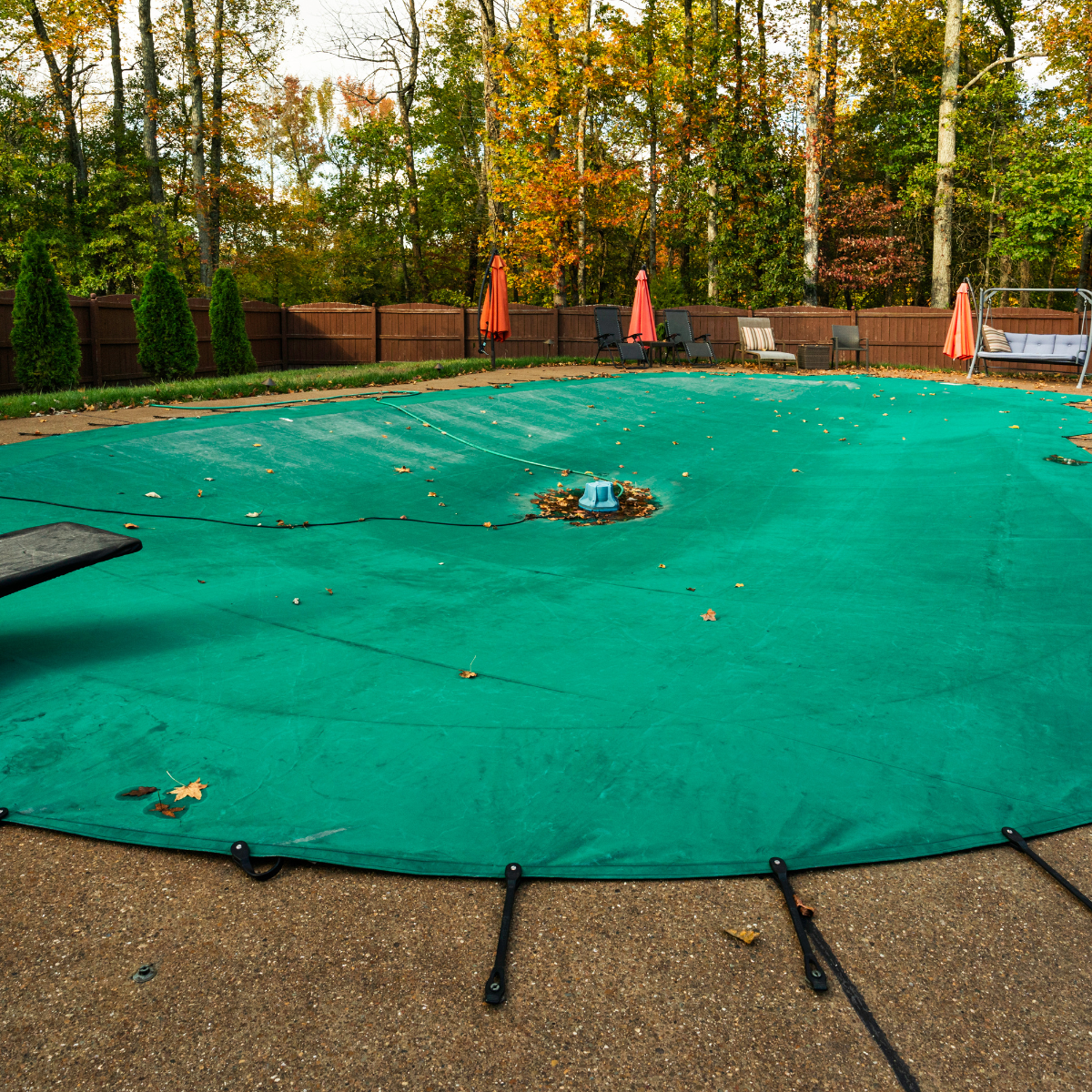
North Carolina weather is not one-size-fits-all, and that matters for pool closing. In the mountains, colder nights and longer freeze periods increase concerns about equipment protection. In the Piedmont and Triangle, many pools stay manageable with steady monitoring and freeze-ready systems. Along the coast, winter can feel milder, but salt air and storm debris still affect care decisions. Tree cover also matters. A wooded backyard may push you toward a cover or lower-use setup. An open backyard may be easier to manage through winter. Your exposure, equipment pad location, and plumbing layout all shape the decision. Elevation matters too. That is why two neighbors may need different winter plans. A regional mindset helps homeowners avoid copying advice that fits another climate but not their own backyard.
Signs You May Want to Winterize Instead of Staying Open
Some pools are better candidates for winterizing, even in a milder state. You may want to close the pool if you won’t use it again until spring. The same applies if your equipment is older or your freeze protection needs review. Homes left vacant during winter also need extra caution. Heavy leaf drop can make open-pool care harder than expected. Pools with recurring chemistry issues may also benefit from a cleaner seasonal reset. This does not mean every pool needs a full shutdown. It means the risk of staying open may outweigh the convenience. If your system has known weak spots, winter is not the time to guess. A professional can inspect the setup, explain your options, and recommend a safer winter approach for your specific pool.
When Keeping the Pool Open Makes Sense
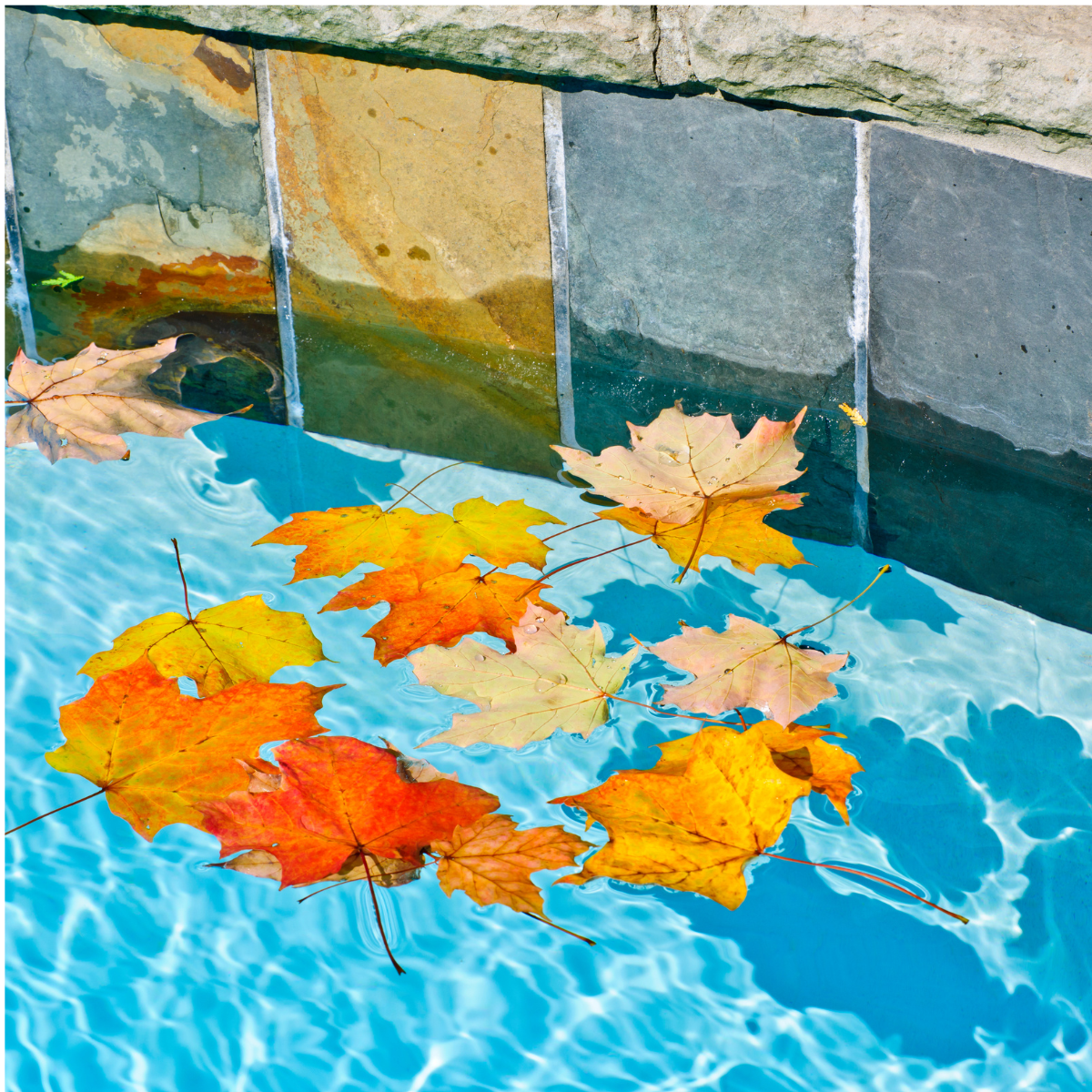
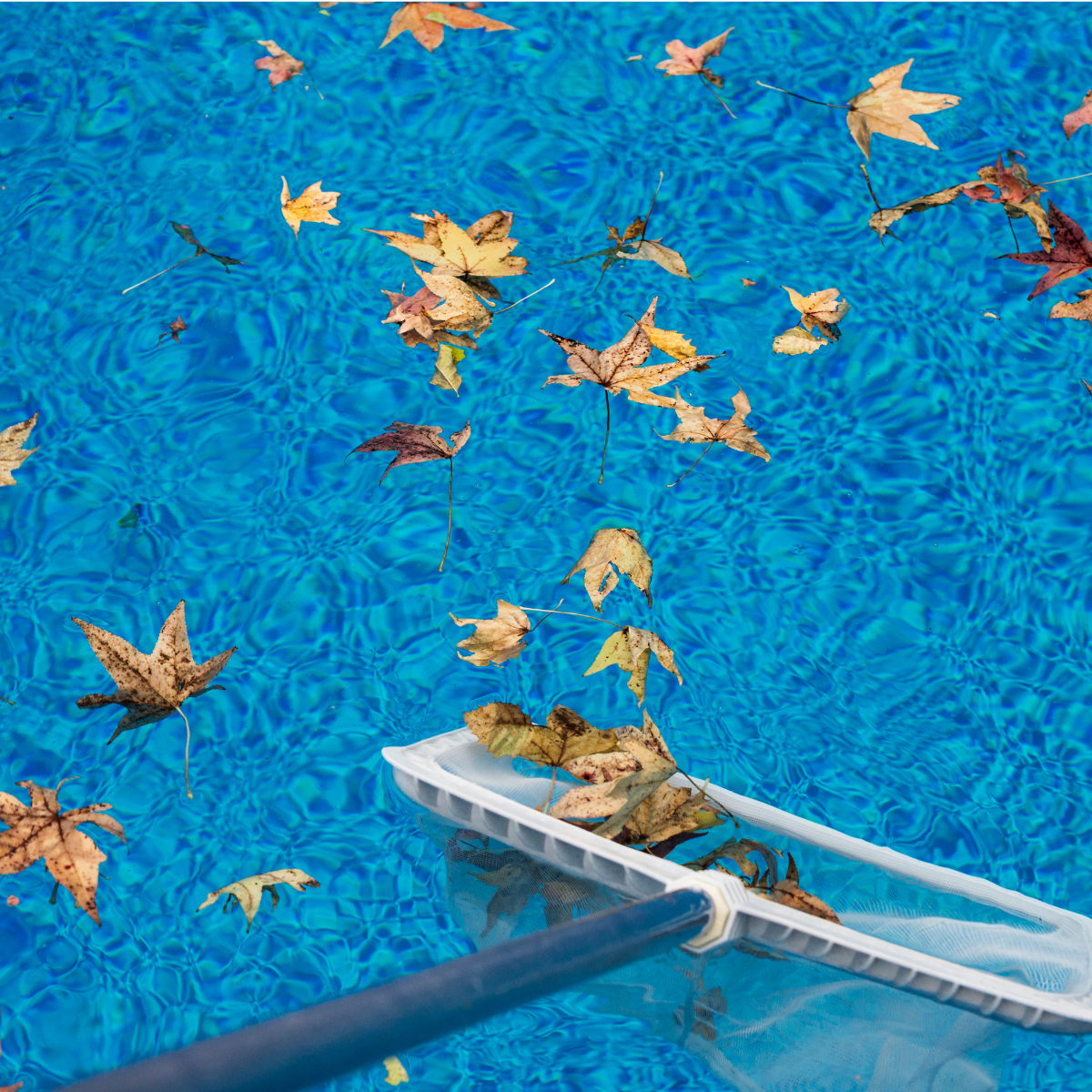
Keeping a pool open can make sense when the system is in good condition and the owner stays engaged. Many North Carolina homeowners prefer this option for appearance, easier spring startup, and occasional cold-season use. It can also work well when automation and freeze protection are functioning properly. Still, open does not mean ignored. You still need water testing, debris removal, circulation checks, and weather awareness. Leaves, acorns, and cooler water can quickly change the workload. A pool that looks quiet can still develop staining, clogged skimmers, or equipment stress. If you want to keep the pool open, ask for a winter care plan that matches your schedule. That plan should clarify who is monitoring conditions, what gets checked, and when to call for help.
The Safest Way to Make the Decision
The safest decision starts with an inspection of the pool’s current condition and equipment setup. Homeowners do not need step-by-step technical winterizing instructions to make a good decision. They need a clear view of risk, usage, and maintenance demands. A pool professional can review circulation equipment, freeze protection, water features, and cover options. They can also explain whether a partial winterizing plan makes sense. That may include reduced operation, seasonal cleaning support, or added protection before the coldest stretches. Manufacturer guidance can vary by system, so broad advice on the internet has limits. Local experience matters here. Budget matters too. A North Carolina plan should reflect your region, backyard exposure, and how hands-on you want to be. Good decisions come from matching the pool’s needs to the homeowner’s comfort level.
Talk Through Your Winter Plan Before the Weather Turns
If you are unsure about pool closing, now is the right time to ask questions. Early fall gives you more options and less pressure. Timing matters here. North Carolina Custom Pools can help you weigh climate, equipment, and maintenance needs before colder weather arrives. That makes it easier to choose between staying open, partial winterizing, or a full closing approach. You get a plan that fits your pool, not a generic checklist. You also reduce the chance of rushed decisions after the first cold snap. Local guidance helps. For confident guidance, schedule a seasonal pool evaluation and winter prep conversation with North Carolina Custom Pools. It’s a practical next step for homeowners who want to protect their pool and avoid avoidable winter problems.
Share This Story, Choose Your Platform!
Recent Posts

Stay In the Know!
Stay up-to-date with the latest trends in pool design, maintenance tips, and exclusive offers by subscribing to our monthly newsletter.