
What Fall Pool Care Means in North Carolina
Start with How You Plan to Use the Pool
Before changing your maintenance routine, decide how you’ll use the pool through fall and early winter. Some North Carolina homeowners continue swimming well beyond Labor Day. Others stop using the pool after summer and prefer a simpler off-season routine. That choice affects circulation, heating, cleaning, chemical balancing, and equipment monitoring. A heated pool in the coastal plain may remain comfortable longer than an unheated mountain pool. Likewise, a shaded backyard in the Piedmont may cool faster than an open yard nearby. Consider upcoming travel, holiday schedules, regular maintenance time, and your household’s realistic swimming plans. Then decide whether you’ll keep the pool ready, reduce upkeep, or prepare for an extended idle period. Making that decision early prevents inconsistent care as conditions change. It also gives you time to schedule professional help before the first freezing nights arrive.
Stay Ahead of Leaves, Debris, and Changing Water
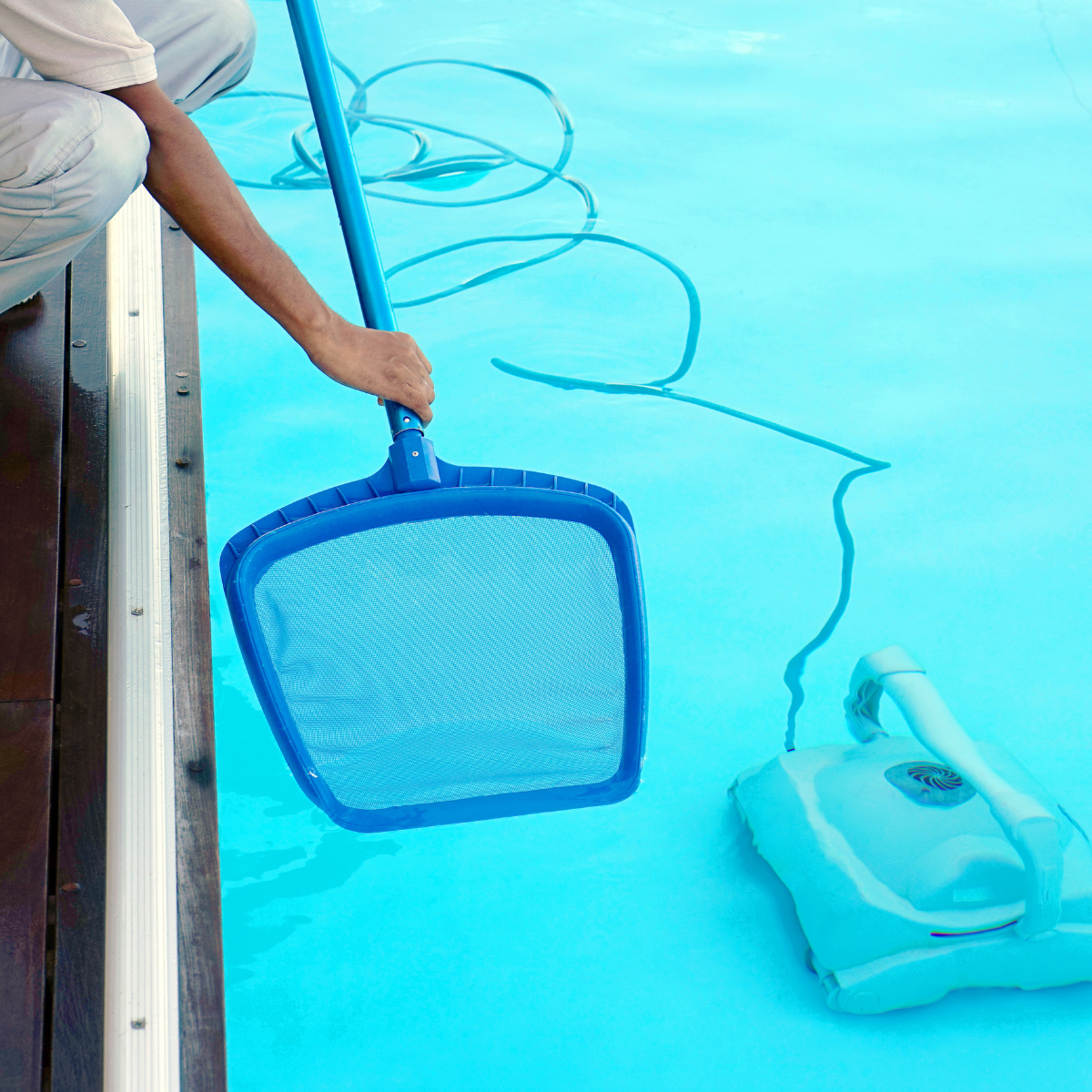
For many homeowners, fall begins in the skimmer basket before it appears on the calendar. Debris can accumulate quickly once leaves, pine needles, and seed pods begin falling. Acorns and organic tannins may also affect water color and leave stains on certain surfaces. Small messes can become larger problems when circulation slows or baskets overflow. Check skimmer and pump baskets frequently, especially after windy days or heavy rain. Regular surface cleaning often matters more during fall than making dramatic chemical adjustments. However, you should continue testing the water and maintaining the recommended chemical balance. Watch water clarity closely as sunlight decreases and organic material increases. A fitted cover may reduce debris, but it doesn’t eliminate the need for routine checks. If the water becomes cloudy, discolored, or difficult to balance, consider scheduling seasonal pool maintenance support before conditions worsen.
Monitor Equipment More Closely as Nights Cool Down
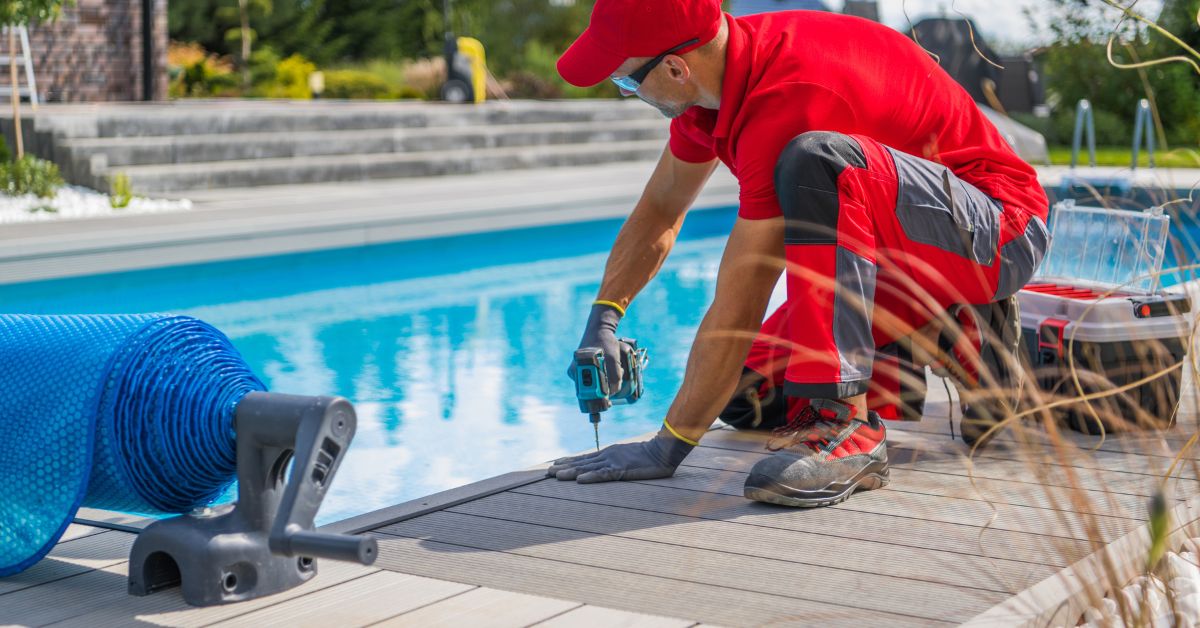
Cooler nights require closer attention to pumps, filters, timers, heaters, and freeze-protection settings. This doesn’t mean every pool needs major equipment changes immediately. However, you should confirm that each system operates correctly before colder weather arrives. Listen for unusual pump sounds and check whether return jets maintain normal water flow. Look for leaks, pressure changes, error messages, or unexpected automation behavior. Clean filters according to the manufacturer’s guidance and don’t allow debris to restrict circulation. Exposed plumbing, raised water features, and older equipment may require attention sooner than protected components. Conditions also vary across North Carolina, especially between mountain communities and milder coastal areas. Review timers whenever water temperature, daylight, or pool use changes significantly. If your system includes automated freeze protection, confirm that it remains enabled and functional. Don’t change unfamiliar settings without guidance from an experienced pool professional.
Know When Pool Winterizing Actually Makes Sense
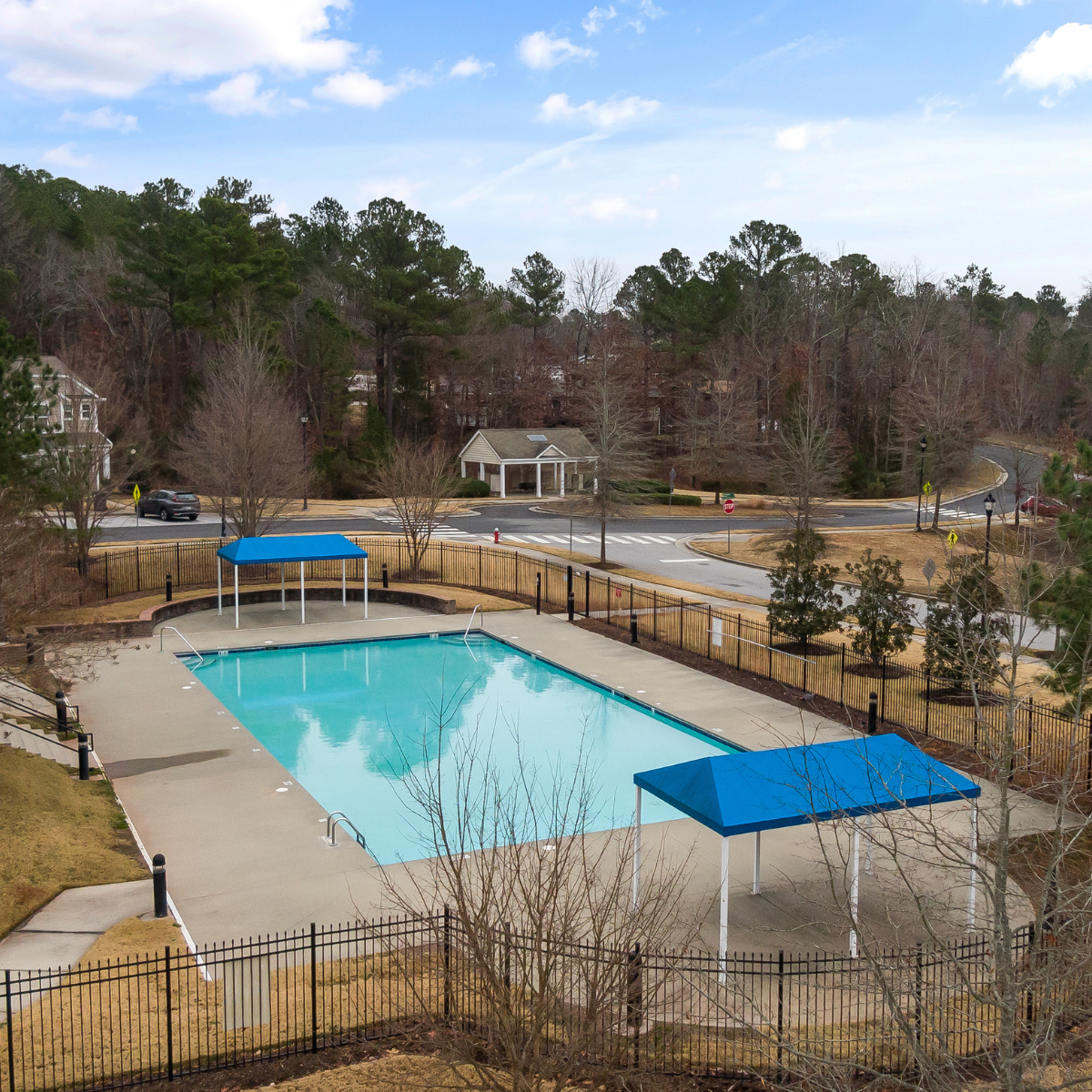
Pool winterizing can be a smart choice, but it isn’t a statewide requirement for every homeowner. It often makes sense for pools that won’t be used for several months. Vacant properties and pools in colder areas may also benefit from a complete winter plan. Winterization can reduce routine upkeep while protecting plumbing and equipment from freezing conditions. However, the process must match the pool’s construction, features, and installed systems. Some North Carolina pools remain open with adjusted circulation, cleaning, and chemical care throughout winter. Regular use, dependable heating, automation, and professional maintenance may make that approach practical. Before deciding, consider your location, expected temperatures, property schedule, and comfort with off-season upkeep. Don’t rely on generic recommendations created for significantly colder climates. Your decision should reflect your specific pool and backyard. A local professional can explain the benefits, responsibilities, and risks of each approach.
Use Fall to Spot Repairs and Plan Upgrades
Fall is also a smart time to identify issues that were easy to ignore during peak swimming season. Inspect the pool for stained surfaces, loose tile, damaged coping, leaks, or recurring water loss. Listen for noisy equipment and confirm that lights, heaters, and water features work properly. You may also notice problems with drainage, debris control, worn finishes, or difficult access for maintenance. These concerns don’t always require immediate construction. However, documenting them now provides time to compare solutions and establish a realistic budget. Explore pool upgrades and outdoor living options to enhance comfort, convenience, or visual appeal. Professional custom pool planning and design can also connect future improvements with your property’s layout and long-term goals. Fall planning may provide more time for careful decisions before spring demand returns. It can also help you avoid rushed repairs when you’re ready to start swimming again.
Get a Fall Pool Care Plan That Fits Your Pool
If you’re unsure whether your pool needs lighter fall care or full winterization, now is the right time to ask. North Carolina Custom Pools can review your water, equipment, pool features, property conditions, and off-season goals. Our team can explain which services are best for your location and how you’ll use the pool. We can also identify developing repairs before colder weather creates additional stress. If you’re considering upgrades, we can help you plan improvements around your backyard and future swimming season. This personalized approach protects your investment without relying on advice designed for another climate. It can also reduce surprises when warmer weather returns. Don’t wait for cloudy water, damaged equipment, or freezing temperatures to reveal an overlooked problem. Contact North Carolina Custom Pools today to schedule a seasonal consultation. We’ll help you create a practical fall care plan shaped around your pool, property, and winter goals.
Share This Story, Choose Your Platform!
Recent Posts


Stay In the Know!
Stay up-to-date with the latest trends in pool design, maintenance tips, and exclusive offers by subscribing to our monthly newsletter.