
What Is Included in a Fiberglass Pool Price?
Pool Size and Shell Design
Fiberglass manufacturers offer shells in many shapes and sizes. Length, width, depth, and water capacity all affect the model’s price and installation requirements. Larger pools require larger excavations and more base material. They may also need stronger equipment, additional plumbing, and expanded decking. Built-in features can influence the shell selection. Homeowners may choose tanning ledges, benches, entry steps, shallow lounging areas, or deeper swimming sections. Some models also include integrated spa areas. However, fiberglass pools don’t offer unlimited structural customization. You’ll choose from manufactured designs instead of creating every dimension from scratch. Therefore, model selection should balance appearance, function, and available space. A beautiful shell won’t provide good value if it overwhelms the yard. Professional custom pool design services can help you compare models that fit your property and intended use.
Site Preparation and Access
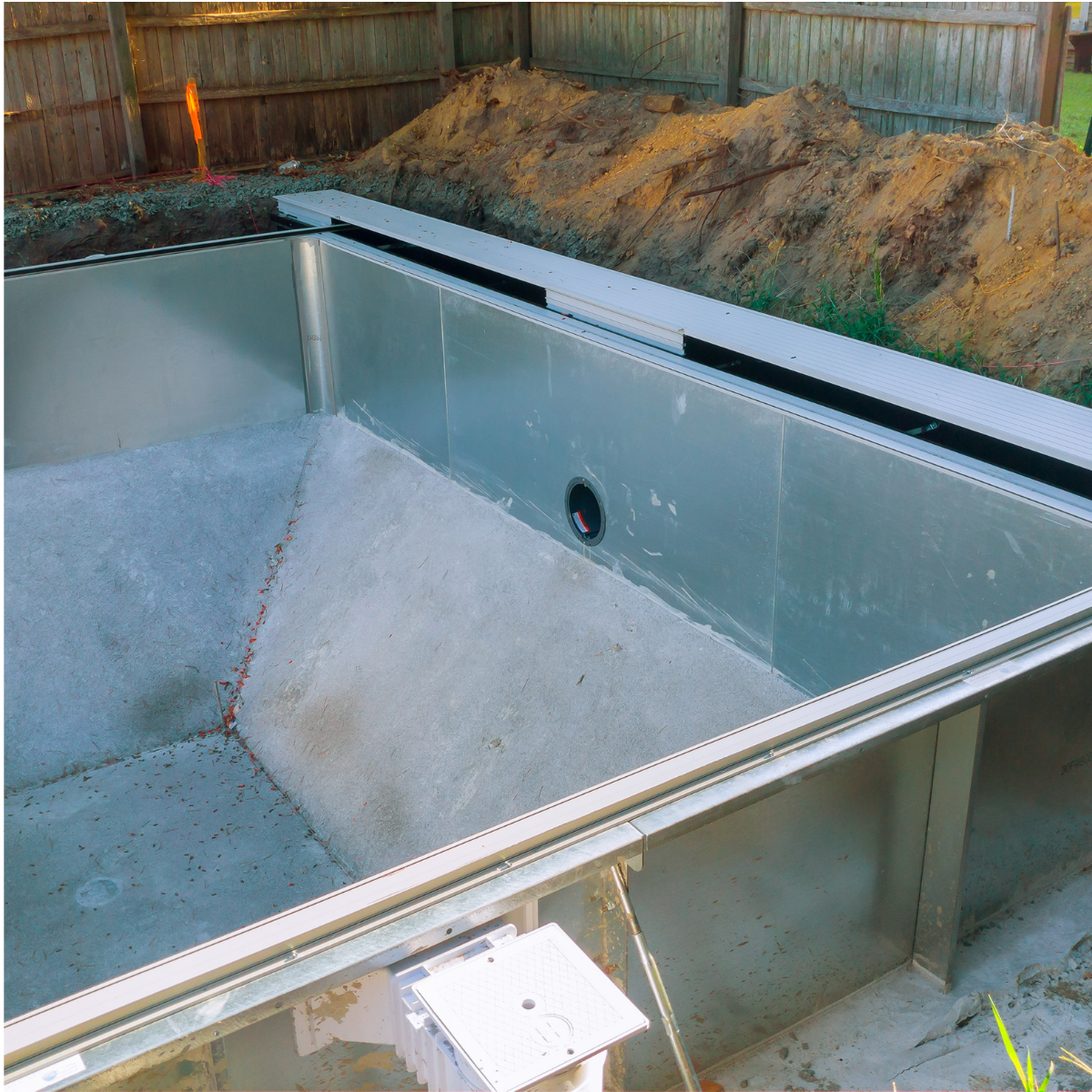
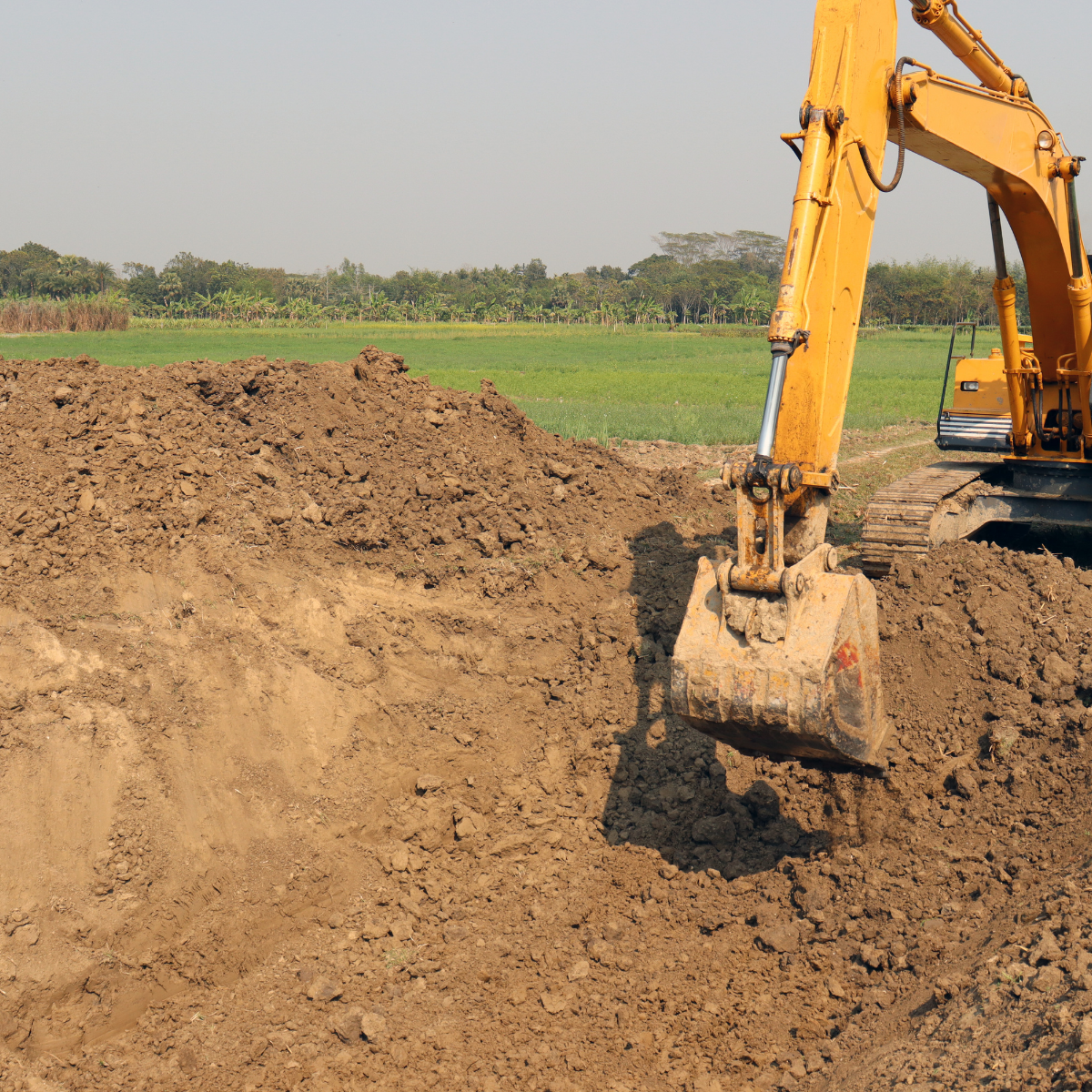
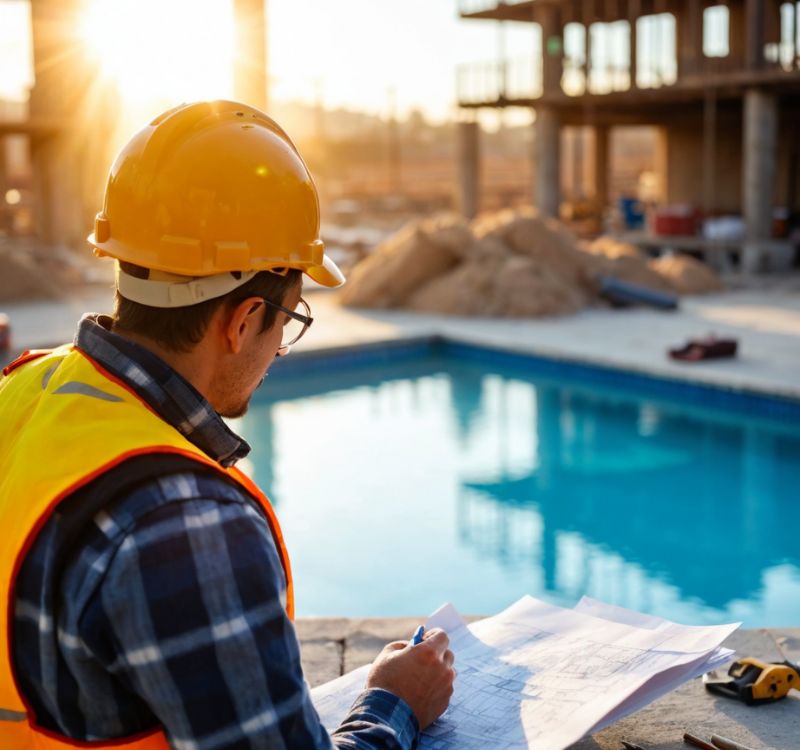
Property conditions can significantly affect a fiberglass pool estimate. First, the crew must determine whether delivery and construction equipment can reach the yard. Narrow access may require fence removal or smaller equipment. Trees, buildings, utility lines, steep slopes, and overhead obstacles can also complicate delivery. Soil conditions matter because the shell needs a properly prepared and stable base. Rock, groundwater, unsuitable soil, or buried debris may require additional work. Drainage also plays an important role. The builder must manage runoff around the pool and surrounding structures. Sloped yards may require grading, retaining solutions, or specialized deck preparation. Utility relocation can add another expense. Irrigation, electrical lines, septic components, or other systems may conflict with the proposed location. A site evaluation identifies these conditions before the final estimate and helps prevent unexpected construction expenses.
Decking, Coping, and Safety Requirements
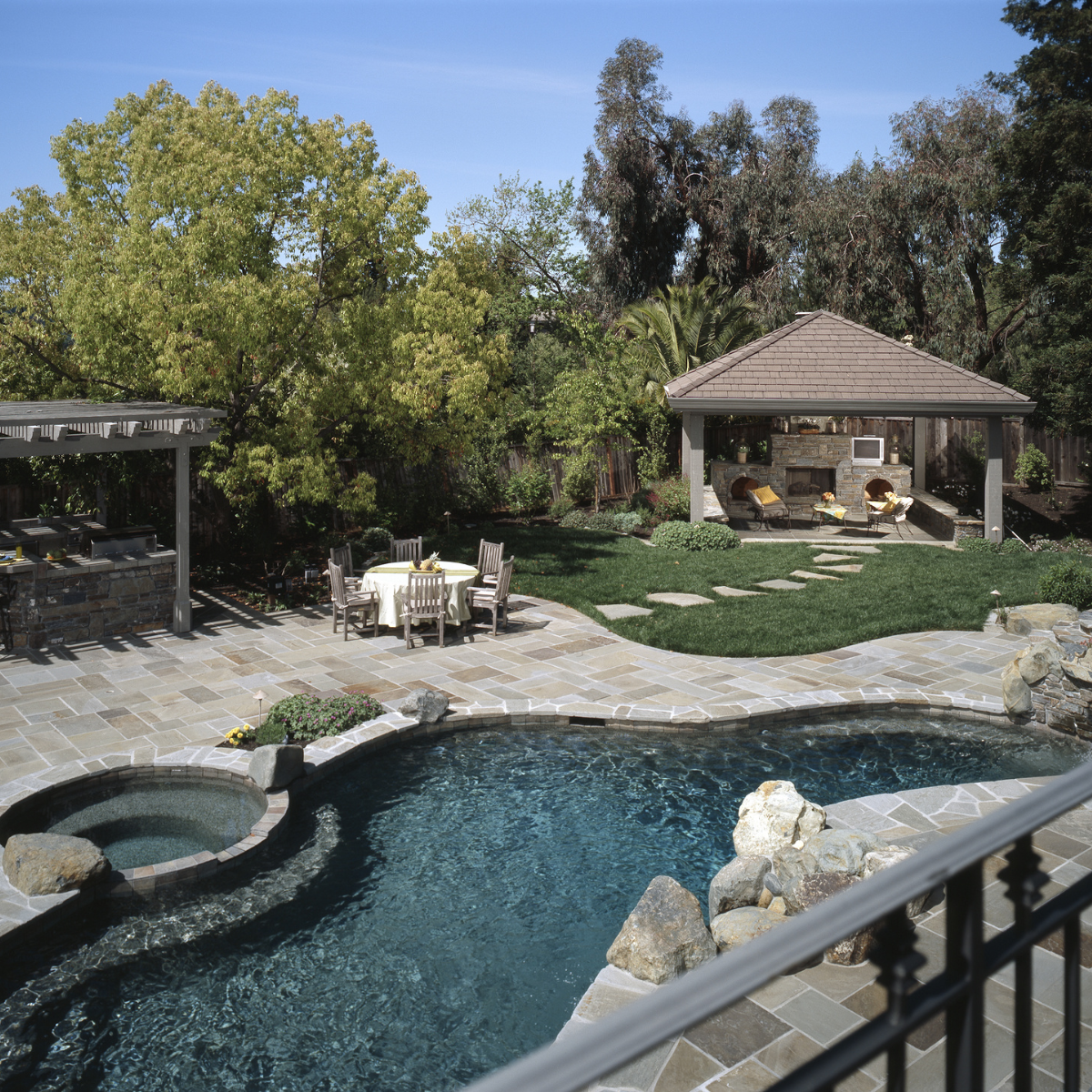
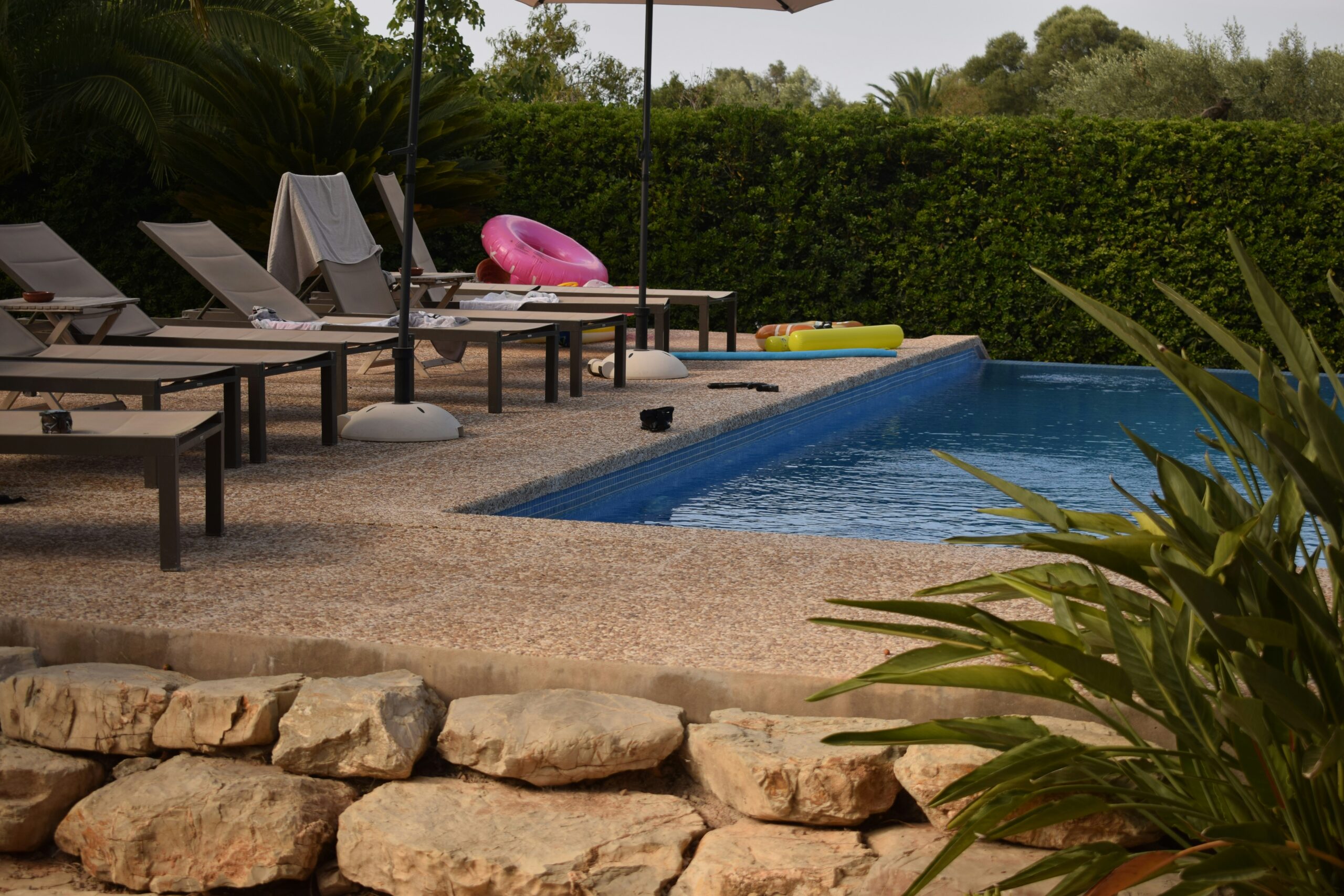
The pool shell needs a finished area around it. Coping forms the pool’s edge, while decking provides safe walking and gathering space. The amount of decking affects both appearance and cost. A narrow perimeter requires fewer materials than a large entertainment patio. Decorative concrete, pavers, and specialty finishes also follow different installation processes. Homeowners should consider furniture, grills, umbrellas, and movement around the pool. Otherwise, the finished deck may feel too small after construction. Drainage must direct water away from the pool and nearby buildings. Additionally, landscaping may need restoration after equipment leaves the property. Local safety requirements can include barriers, gates, alarms, or fencing. Therefore, homeowners should include these items when building the project budget. You can also explore the company’s custom pool project gallery for ideas about decking, coping, and complete backyard layouts.
Popular Fiberglass Pool Upgrades
Upgrades can improve comfort, appearance, and everyday operation. However, they also affect the final estimate for the fiberglass pool. Pool heaters can extend the swimming season. Homeowners may compare electric heat pumps, gas heaters, and other compatible options. LED lighting improves nighttime visibility and creates a finished atmosphere. Automation can control pumps, lighting, heating, and sanitation from a central system. Saltwater chlorine generators reduce the need for manual chlorine additions. However, they still require testing, cell maintenance, and balanced water chemistry. Water features can add sound and movement. Options may include fountains, bubblers, or raised features integrated into the surrounding design. Homeowners should separate essential upgrades from optional features. This approach protects the budget while leaving room for meaningful improvements. Reviewing the available custom pool services can help you identify features that support your design and everyday use.
Long-Term Fiberglass Pool Expenses
A fiberglass pool still requires regular cleaning, testing, and equipment care. Therefore, homeowners should include ongoing maintenance in the ownership budget. The smooth shell surface may simplify routine brushing. However, circulation and sanitation must remain consistent. Neglected water chemistry can affect the pool, equipment, and swimmer comfort. Pumps, filters, heaters, lights, and control systems may need service or replacement over time. Saltwater systems also require cell cleaning and eventual equipment replacement. Seasonal service may include opening, closing, inspections, or freeze preparation. Unexpected plumbing or equipment repairs can also occur with any pool type. Surface care differs from concrete resurfacing, but homeowners should still follow the manufacturer’s maintenance recommendations. Before selecting a material, review the complete concrete versus fiberglass pool cost comparison to understand how installation and long-term expenses differ.
Get an Accurate Price for Your Property
Online prices can’t evaluate your soil, slope, utilities, drainage, or equipment access. They also can’t identify the fiberglass shell that best fits your yard. North Carolina Custom Pools can evaluate the complete property and discuss your preferred design. During your consultation, ask what the standard installation includes and which features count as upgrades. Discuss the shell size, decking area, equipment, lighting, sanitation, heating, landscaping, and long-term maintenance preferences. These details will help the team develop a proposal that reflects the entire project rather than just the shell. When you’re ready to discuss your plans, contact North Carolina Custom Pools to request a property-specific estimate.
Share This Story, Choose Your Platform!
Recent Posts




Stay In the Know!
Stay up-to-date with the latest trends in pool design, maintenance tips, and exclusive offers by subscribing to our monthly newsletter.