
Winter Water Chemistry in North Carolina Starts With a Simple Routine
North Carolina winters are mild some days and surprising on others. That swing can make pool water chemistry feel unpredictable. Still, a simple routine keeps everything stable and ready for spring. Cold water slows algal growth, but it can’t eliminate the problem entirely. Rain, wind, and leaves still add contaminants and shift levels. Because you swim less, it’s easy to forget the pool needs attention. However, winter is when small chemistry drifts become big spring headaches. Balanced water protects surfaces, equipment, and your budget. It also helps you open more quickly as temperatures rise. North Carolina Custom Pools helps homeowners keep winter water clear and controlled. They can test, adjust, and explain readings in plain language. With a winter plan, you won’t chase problems at opening time. You’ll simply remove debris, dial in settings, and enjoy the season. It’s easier than fixing a green pool for you.
pH Drift in Cold Weather and How to Keep It Steady
pH drift is common in winter because water moves differently and aeration continues. Spillways, returns, and wind can raise pH even when it’s cold. At the same time, rainwater can briefly lower pH, which then rebounds later. That back-and-forth can stress surfaces and shorten equipment life. Aim for steady pH, not perfect numbers every day. Test weekly, and adjust in small steps. As pH rises, chlorine becomes less effective, and the risk of scale increases. When pH drops too far, metals can corrode, and plaster can etch. Keep your target range consistent throughout the season. Use muriatic acid carefully, and add it in measured amounts. After dosing, circulate well and retest the next day. A logbook helps you see patterns instead of reacting blindly. If you travel, set reminders so testing doesn’t slip while away. A quick call with North Carolina Custom Pools can guide adjustments.
Alkalinity Balance and Why It Prevents Winter Chemistry Swings
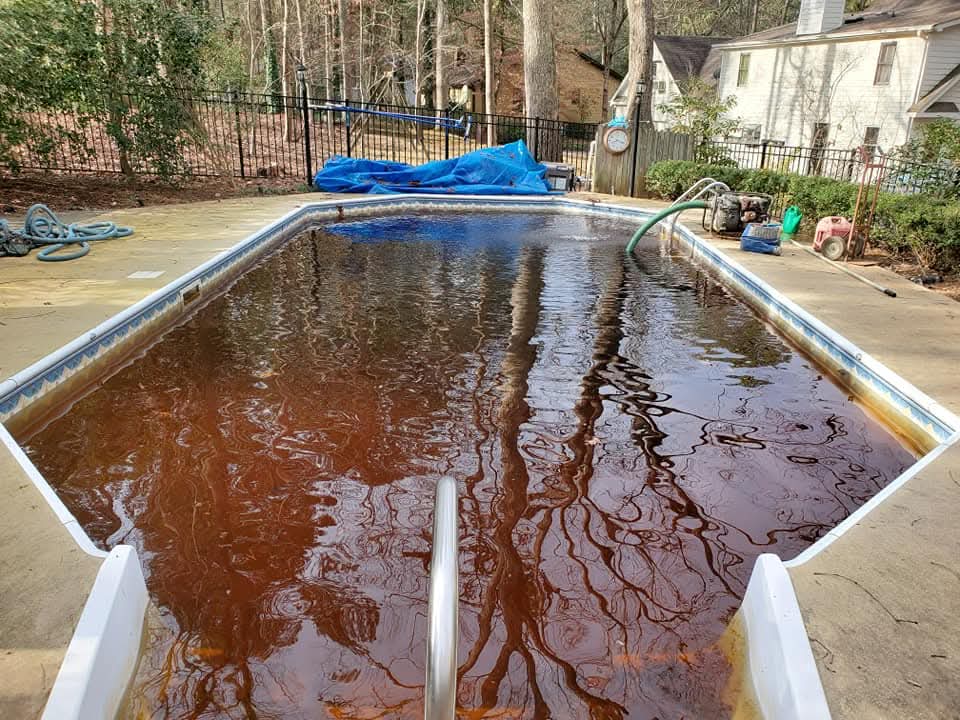
Alkalinity is your stabilizer, but it needs the right balance in winter. If alkalinity is too low, pH can fluctuate after each rainfall. If alkalinity is too high, pH may rise steadily and promote scale formation. Cold water can hide these issues until warm days arrive. Therefore, testing alkalinity weekly is worth the few minutes it takes. Adjust slowly, because big swings are harder to correct later. Also, watch calcium hardness, especially in plaster pools. When pH and calcium run high together, scale can form on tiles and heaters. When calcium levels are too low, plaster surfaces wear faster over time. Keep levels in a safe range, and avoid overcorrecting. North Carolina Custom Pools can confirm targets based on your pool finish. They also check for early signs of scaling, staining, and circulation problems. Those small checks support long-term stability through every cold snap. It keeps winter water gentle on liners.
Chlorine Demand Changes in Winter and What to Do About It
Chlorine demand changes in cold water, and that surprises many owners. Because water is colder, sanitizer lasts longer, and algae grows more slowly. However, demand does not drop to zero, especially after storms or leaf fall. Warm spells can also spike demand, even in February. So, keep a consistent chlorine residual instead of guessing. If you use a salt system, the cell may produce less in colder temperatures. You may then need liquid chlorine to stay on track. For most pools, small doses are better than big shocks. Also, check the stabilizer, as low CYA can cause chlorine to burn off on sunny days. High CYA can reduce chlorine effectiveness, even when it feels cold. Brush and skim regularly because organic matter consumes sanitizer. With guidance, winter chlorine becomes simple and predictable. Use a reliable test kit, because strips can be misleading in winter. When numbers look off, North Carolina Custom Pools can troubleshoot fast.
Rain Dilution in North Carolina and Why Storms Reset Your Readings
Rain dilution is a significant winter factor in North Carolina because rainfall is frequent. Every heavy rain adds fresh water and lowers chemical concentrations. That means chlorine, alkalinity, and salt can all drop. In some pools, rain can raise the water level and affect skimmer performance. Drain to the proper level as needed, then retest. Rain can carry organics, pollen, and soil, which increases chlorine demand afterward. It can also shift pH, depending on local conditions and debris load. Therefore, treat rain like a mini reset and check your numbers soon. For salt pools, confirm salt level and cell warnings after big storms. For all pools, keep gutters and landscaping from washing into the deck. North Carolina Custom Pools can spot drainage issues that cause repeated dilution. They can also recommend cover options to reduce storm debris. That extra protection keeps water steady through winter with no additional effort.
How Often to Test in Winter and a Simple Weekly Checklist
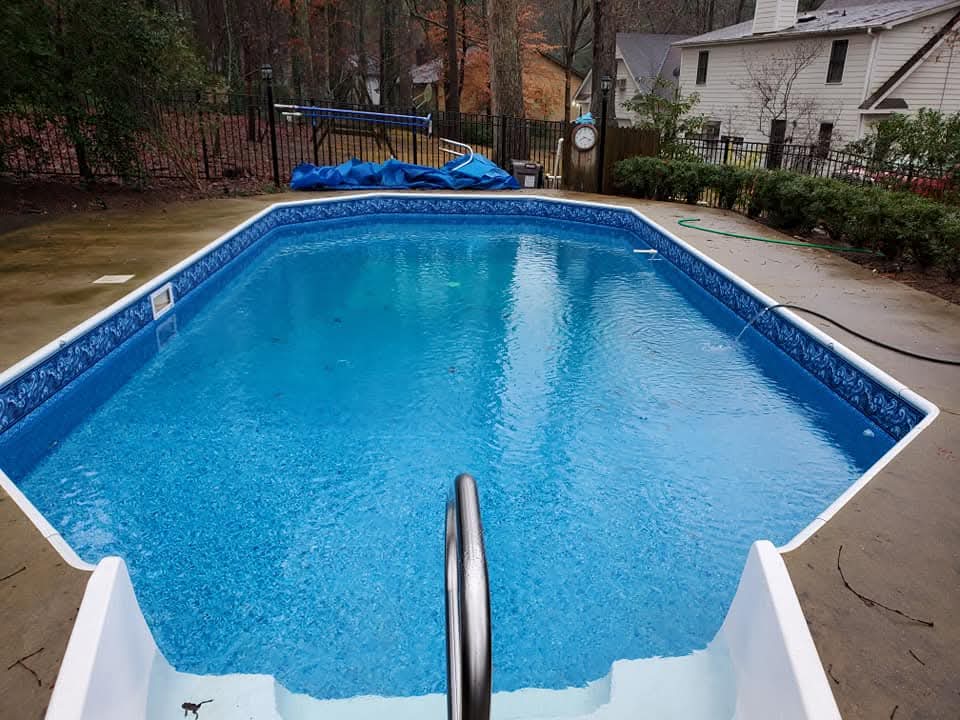
How often should you test in winter to achieve the best results? For most North Carolina pools, once per week is the sweet spot. Add an extra test after heavy rain, a freeze event, or a warm spell. Focus on pH, alkalinity, free chlorine, and water level first. Then check calcium hardness and stabilizer monthly, unless issues appear. Keep your filter clean, because poor circulation makes chemistry harder to control. Also, brush steps and walls occasionally, because biofilm can start even when it’s cold. If you see cloudiness, test sooner and address it early. North Carolina Custom Pools can help you create a winter checklist tailored to your schedule. They can also service equipment and confirm freeze protection settings. This winter consistency protects your finish and equipment. When you follow a steady plan, your pool stays clear with less stress. And when spring arrives, opening becomes fast, affordable, and overall.
Share This Story, Choose Your Platform!
Recent Posts






Stay In the Know!
Stay up-to-date with the latest trends in pool design, maintenance tips, and exclusive offers by subscribing to our monthly newsletter.